

6 Best Waterproof Power banks We've Tested

Your gear is only as good as its weakest link. You wouldn't head out for a hike in flimsy shoes, and your power source deserves the same consideration. While any portable charger can give you a boost in a coffee shop, a true waterproof powerbank is built for a different reality. It’s designed to handle rain, dust, and impacts, all while delivering the fast, consistent charge you need to keep your essential tech running. This guide is for anyone who demands reliability from their equipment, from outdoor adventurers to prepared families. We’ll break down what separates a truly rugged charger from the rest and help you find the perfect fit for your needs.

Portable Solar Power Bank 26800mAh - 99Wh Fast Charger
Lithium Polymer (Li-Po) battery. PD fast charging. Holds up to 8 days of reliable power on a single charge. Boasts a charging speed 50% faster than ordinary portable chargers.
Shop NowKey Takeaways
- Check the IP rating for true durability: Don't just trust the word "waterproof." A specific rating like IP67 tells you exactly how much water and dust a power bank can handle, so you know it’s genuinely built for the outdoors.
- Prioritize fast charging over massive capacity: A huge battery that charges slowly is impractical in a pinch. Features like Power Delivery (PD) and multiple output ports provide more real-world value by getting your essential gear powered up quickly.
- Look for safety certifications to avoid low-quality products: Reputable brands will always list safety ratings like UL, CE, or FCC. The absence of these certifications is a major red flag and a sign you should choose a different power bank.
Our Top Picks: The Best Waterproof Power Banks for Any Adventure
Finding the right waterproof power bank can feel like a chore, but it’s one of the most important pieces of gear you can own. Whether you’re planning a week-long trek, preparing an emergency kit for your family, or just need a reliable backup for unpredictable travel days, having a power source that can withstand the elements is a game-changer. A dead phone or GPS device is more than an inconvenience when you’re off the grid; it can be a serious safety issue. That's why investing in a charger that won't quit in a downpour or after an accidental drop into a puddle is so critical.
We’ve sorted through the options to find the most durable, reliable, and powerful waterproof chargers on the market. These aren't just standard power banks with a slightly tougher case. The models we've selected are built to handle rain, dust, and impacts, all while delivering the fast, consistent charge you need to keep your essential tech running. From high-capacity solar units that keep you powered for days to rugged, compact chargers perfect for a weekend trip, there’s a perfect fit for every situation. Let’s get into the power banks that truly deliver when you need them most.
KEUTEK Fast Charging Portable Power
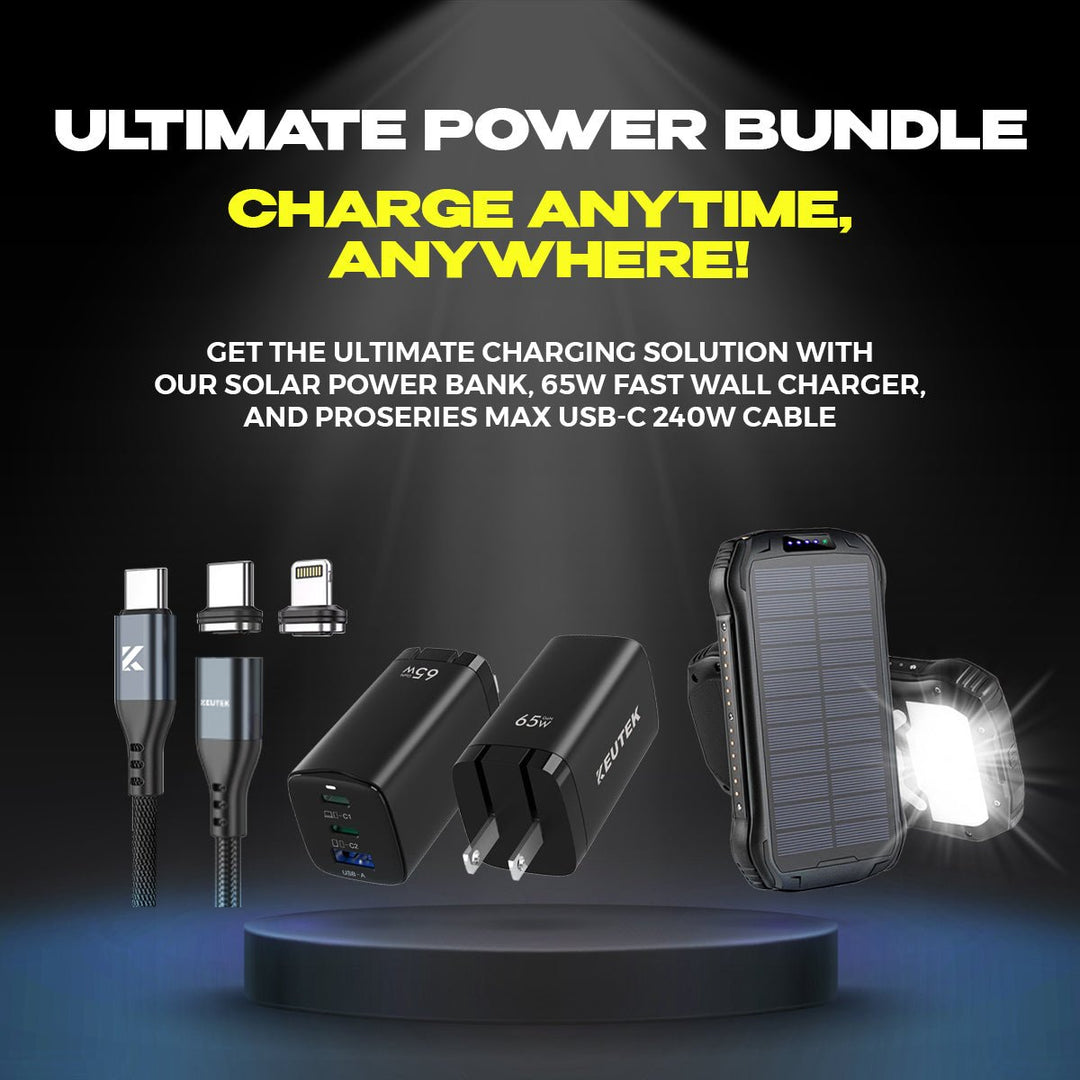
The KEUTEK Solar Power Bank is an absolute workhorse, with a 26,800 mAh (99 Wh) lithium polymer battery that holds up to 8 days of reliable power on a single recharge and an IP66 water-resistant, shock-resistant casing designed for real outdoor use. When you need power that lasts for more than just a day or two, KEUTEK is the answer. The KEUTEK Solar Power Bank is an absolute workhorse, designed to provide power for up to eight days on a single charge. This makes it an incredible asset for extended camping trips, off-grid adventures, or as a core component of your home emergency kit. It’s built tough to handle the outdoors and gives you the peace of mind that you’ll stay connected no matter how far you roam. For anyone serious about preparedness, this is a top-tier choice for fast charging portable power.
Goal Zero Venture Series
If you expect your gear to handle serious exposure to the elements, the Goal Zero Venture series is made for you. These power banks are built tough, with an IP67 rating that makes them a standout choice for rugged conditions. This rating means they are completely dustproof and can be fully submerged in up to three feet of water for 30 minutes without damage. Whether you’re kayaking, hiking in a downpour, or just accident-prone, you won’t have to worry about your power source failing. The Venture series is a trusted name among outdoor adventurers for its sheer durability and reliable performance.
NESTOUT Rugged Power Banks
NESTOUT offers a unique approach with its rugged, waterproof power banks designed specifically for outdoor life. The 5000mAh model is compact yet powerful enough to quickly charge your essential devices like smartphones and tablets. What makes NESTOUT interesting is its modular design; the power bank can connect with other NESTOUT accessories, allowing you to build a customized gear setup for your specific needs. It’s a smart, versatile system for campers and hikers who appreciate gear that works together seamlessly. This rugged power bank is perfect for anyone looking to create an integrated outdoor tech kit.
Anker PowerCore Series
Anker has earned a stellar reputation for a reason: their products are incredibly reliable and deliver excellent performance. While not every PowerCore model is waterproof, their rugged, water-resistant options are a fantastic choice for everyday users and adventurers alike. Anker power banks are known for their fast-charging capabilities and durable construction, making them a popular and trusted option you can count on. If you’re looking for a proven product from a brand with a long track record of quality, exploring Anker’s waterproof models is a great place to start.
Jackery Explorer Portable Power
Jackery is another heavyweight in the portable power world, known for its dependable and user-friendly power stations and banks. Jackery previously offered fully waterproof power banks, such as the Armor series models built with the same commitment to quality, making them ideal for powering your adventures. Whether you're car camping, fishing, or spending a day at the beach, Jackery provides the juice you need to keep your devices running. The brand is a favorite among outdoor enthusiasts who need a straightforward, effective power solution that can handle a little rough and tumble. Jackery’s portable power options are always a solid bet for reliable, on-the-go energy.
RAVPower Waterproof Models
For those who need to charge multiple devices at once, RAVPower is an excellent choice. Their waterproof power banks often feature several charging ports, so you don’t have to choose between powering up your phone, your partner’s phone, or your GPS. This is a huge advantage for families or groups traveling together. Designed with rugged exteriors, RAVPower’s models are built to withstand the demands of outdoor use while ensuring all your essential tech stays charged. They offer a practical balance of durability, capacity, and versatility for any adventure.
What Actually Makes a Power Bank Waterproof?
When you see "waterproof" on a power bank's packaging, it’s more than just a buzzword. It’s a promise that the device was intentionally designed to keep its sensitive electronics safe from water damage. This isn't magic; it's a combination of smart engineering, specific materials, and a standardized rating system that tells you exactly how much water it can handle. A truly waterproof power bank is built from the ground up to withstand the elements, whether that’s an unexpected downpour on a hike or an accidental drop in a puddle.
The three core elements that work together to achieve this are its IP rating, the materials used in its construction, and how well its ports are sealed. Understanding these features will help you look past the marketing claims and choose a power bank that genuinely offers the protection you need. It’s the difference between a device that survives a splash and one that can be fully submerged without missing a beat. For anyone who relies on their gear outdoors or in unpredictable environments, knowing what makes a power bank truly rugged is essential.
What Do IP Ratings Mean?
The most important spec to look for is the IP rating, which stands for Ingress Protection. This two-digit code gives you a clear, standardized measure of a device's resistance to solids (like dust) and liquids (like water). The first number rates protection against solids on a scale of 0-6, while the second rates protection against liquids on a scale of 0-8.
For example, a power bank with an IP67 rating is completely dust-tight (that’s the "6") and can be submerged in up to one meter of water for 30 minutes (that’s the "7"). This rating system cuts through confusing terms like "water-resistant" and gives you a concrete idea of what your power bank can endure.
Key Materials and Durability Features
A high IP rating is only possible with the right materials. Waterproof power banks are built with rugged exteriors designed to handle much more than just a little rain. These devices often feature tough, shock-absorbent materials like reinforced polycarbonate and rubberized silicone shells. This construction does more than just seal out water; it also provides critical protection against drops, impacts, and dust.
When you’re out on the trail or working in the field, your gear is bound to take a few hits. That’s why KEUTEK’s fast portable power solutions are built for durability, ensuring the internal components are shielded from both moisture and physical damage. A truly rugged power bank is one you don't have to worry about.
Keeping It Sealed: Port Protection and Maintenance
The most vulnerable points on any power bank are its charging ports. A waterproof model is only effective if these openings are completely sealed. Manufacturers use tight-fitting rubber or silicone gaskets to cover the USB-A, USB-C, and any other ports when they aren't in use. It’s absolutely critical that you make sure these covers are securely pressed into place before exposing the power bank to any moisture.
If the seal isn't closed properly, that impressive IP rating becomes meaningless. Think of it as a simple but essential final step. Before you head out, give the port covers a quick check to ensure they’re flush with the casing. This small habit will keep your power bank protected and ready for any adventure.
What Features Matter in a Waterproof Power Bank?
When you’re looking for a power bank that can handle the elements, it’s easy to get lost in the technical specs. Beyond the waterproof rating, the right features can make the difference between a reliable power source and a dead battery when you need it most. It’s about more than just keeping water out; it’s about finding a device that delivers consistent power, charges your gear efficiently, and includes practical extras for your specific needs. Let’s break down the key features to look for so you can choose a power bank that’s truly ready for anything.
Capacity vs. Speed: Finding the Right Balance
The first thing most people look at is capacity, measured in milliampere-hours (mAh). This number tells you how much energy the battery stores. A higher mAh means the power bank can charge your devices more times before it needs a recharge. For example, a 10,000 mAh unit can typically charge a standard smartphone two to three times. While a massive capacity sounds great, it usually comes with extra weight and bulk. The key is to find the right balance for your activities. A weekend camping trip might only require a 10,000 mAh bank, while a week-long trek off-grid might call for 20,000 mAh or more. Consider what you’ll be charging and for how long to find your sweet spot.
Why Fast Charging and Multiple Ports Are Essential
In a pinch, waiting hours for your phone to charge isn’t an option. That’s why fast-charging technology is a must-have feature. Power banks equipped with Power Delivery (PD) or Quick Charge (QC) can power up your devices significantly faster than standard USB ports. Some of KEUTEK's fast portable power solutions, for instance, boast charging speeds up to 50% faster than competitors. Multiple output ports are also incredibly useful, especially if you’re traveling with family or carrying several gadgets like a phone, GPS, and camera. Being able to charge everything at once means less downtime and more time enjoying your adventure.
Helpful Extras: Solar Panels, Flashlights, and Emergency Functions
The best waterproof power banks often come with features designed for the unexpected. An integrated solar panel can be a lifesaver for trickle-charging the unit when you’re far from an outlet, giving you just enough power for an emergency call. Many models also include a built-in LED flashlight with different modes, including an SOS signal. For those heading into extreme environments, look for rugged builds that are impact-resistant. Some advanced power banks even have an innovative heating mode that keeps them functional in freezing temperatures, ensuring your power source doesn’t quit when the weather turns. These extras can turn a simple charger into a vital piece of your emergency kit.
Don't Skip the Fine Print: Safety Certifications
A power bank is essentially a powerful battery, so safety should be a top priority. Reputable brands include multiple safety features to protect against overcharging, overheating, and short-circuiting. Look for safety certifications like UL, CE, or FCC on the product listing or packaging. These indicate that the power bank has been tested and meets specific safety standards. It’s also important to follow best practices for care. According to the Consumer Product Safety Office, you should always store your power bank in a cool, dry place away from direct sunlight and moisture to ensure its longevity and safe operation.
How Do Waterproof Power Banks Compare on Price?
When you start shopping for a waterproof power bank, you’ll notice prices can vary quite a bit. You can find a solid, basic model for the price of a few fancy coffees, or you can invest in a high-capacity unit that costs over a hundred dollars. The price tag is usually a reflection of three key things: power capacity (mAh), durability (that IP rating we talked about), and charging features. Understanding the different price tiers will help you find the perfect balance of performance and value for your needs, ensuring you get a reliable power source without overspending.
Budget-Friendly Options ($35-$60)
In this price range, you’ll find excellent entry-level power banks perfect for casual outings and everyday emergencies. These models typically offer a lower capacity, often around 5,000mAh, which is enough to fully charge most smartphones once or twice. While they might not have the fastest charging speeds or multiple ports, they provide essential protection against splashes, rain, and dust. A great example is the NESTOUT 5000mAh Power Bank, a tough little battery pack designed for day hikes or camping trips. Think of these as your go-to for short adventures or a reliable backup to keep in your car’s glove box.
Mid-Range Models ($60-$100)
This is the sweet spot for most people. Mid-range waterproof power banks offer a significant step up in both capacity and features. You’ll start seeing capacities between 10,000mAh and 20,000mAh, along with faster charging technologies and multiple output ports to power up more than one device at a time. The build quality is also generally more robust, with higher IP ratings for better water and dust protection. Brands like Nitecore offer models in this range that are popular with hikers and campers. This tier is ideal if you’re a frequent traveler or outdoor enthusiast who needs a dependable power source that can handle a weekend off the grid.
Premium High-Capacity Units ($100+)
If you’re a serious adventurer, a digital nomad, or someone building a top-notch emergency kit, the premium tier is where you should look. These power banks are built for the most demanding situations. For this price, you get massive capacities—often 20,000mAh or more—capable of charging laptops, drones, and cameras multiple times. For instance, the Venture 75 from Goal Zero packs 19,200mAh and a rugged design. These units almost always feature advanced tech like USB-C Power Delivery for incredibly fast charging and are constructed with the most durable materials available. It’s an investment in serious power and peace of mind.
What Are You Paying For? A Breakdown of Price vs. Value
So, what exactly separates a $40 power bank from a $120 one? It comes down to capacity, durability, and speed. A higher price typically gets you more milliamp-hours (mAh), a better IP rating for water and dust resistance, higher-quality internal components, and faster charging for both the power bank and your devices. When deciding what to buy, think about how you’ll use it. A simple, splash-proof model is fine for a day at the beach, but a multi-day trek requires a high-capacity, rugged unit. The extra cost of a premium model buys you reliability and the confidence that your gear will stay powered when it matters most.
What Are the Pros and Cons of a Waterproof Power Bank?
Deciding between a standard power bank and a waterproof one comes down to how, when, and where you need to stay charged. While both get the job done, a waterproof model is built for a completely different set of circumstances. Let's break down the key differences to help you figure out which is the right fit for your lifestyle.
How They Stack Up Against Standard Power Banks
At their core, waterproof power banks are designed for anyone who spends time outdoors. They’re built to withstand the elements, so you can keep your devices running even if you get caught in a downpour or a dust storm. Standard power banks, on the other hand, are typically designed for less demanding environments like your office, home, or daily commute. They might be lighter or more compact, but they lack the rugged shell needed to protect internal components from water and debris. Think of it as the difference between your everyday sneakers and a pair of serious hiking boots—both are great, but you wouldn't wear sneakers to climb a mountain. Investing in durable portable power gives you confidence when you're off the grid.
The Real-World Advantage of Durability
The biggest pro of a waterproof power bank is its rugged construction. These chargers are built tough to handle bad weather and won't get damaged if they get wet. This durability extends beyond just water, offering better protection against drops, dust, and the general wear and tear of being tossed in a backpack. For hikers, campers, and travelers, this means peace of mind. You don't have to worry about a sudden rainstorm or an accidental drop near a stream ruining your only power source. This reliability makes them a smart addition to any emergency preparedness kit, ensuring you have power when you need it most, no matter the conditions.
The Trade-Offs: Weight, Size, and Cost
Of course, that extra durability comes with a few trade-offs. To achieve a high IP rating, manufacturers add protective casings, rubber seals, and reinforced ports, which makes waterproof power banks heavier and bulkier than their standard counterparts. You’ll also notice a difference in price. The specialized materials and engineering required for water and dust resistance mean you’ll likely pay a bit more for a waterproof model with the same battery capacity as a standard one. It’s helpful to think of it as an investment. You're not just paying for milliamp-hours; you're paying for resilience and the assurance that your charger will work when faced with the unexpected.
When Does Water Resistance Really Matter?
So, do you actually need a waterproof power bank? The answer depends entirely on your habits. It's important to remember that these power banks are only waterproof when the rubber port covers are securely sealed. If you’re just looking for a backup battery for your office or for air travel, a standard power bank will do the job perfectly. But if you’re an adventurer who loves hiking, boating, or camping, or you’re building a go-bag for emergencies, that water resistance becomes a critical feature. It’s the same reason you might have specific charging solutions for your car—you want the right tool for the right environment.
What to Avoid When Shopping for a Waterproof Power Bank
Shopping for a waterproof power bank can feel like a minefield of confusing specs and bold claims. It’s easy to get drawn in by a long list of features, but not all of them are actually useful. The key is to separate the genuine innovations from the marketing gimmicks. A truly reliable power bank focuses on doing its main job exceptionally well: delivering safe, fast power when you need it, no matter the weather.
To make the best choice, you need to know what to look for and, just as importantly, what to ignore. Some features are designed for extreme, niche situations that the average adventurer or prepared family will never encounter, while other red flags can signal a low-quality or even unsafe product. Let’s walk through the common myths, unnecessary features, and warning signs so you can invest in a power bank that truly has your back.
Common Myths About Water Resistance
One of the biggest misconceptions is that "waterproof" means a device is invincible against water. In reality, water resistance exists on a spectrum, and most power banks are only protected if you use them correctly. For instance, many models are only considered waterproof when their port covers are sealed tightly. An open or poorly designed flap can let water in and ruin the internal components. Before you trust a power bank near water, always double-check that its seals are secure.
Another myth is that solar panels on power banks are just a gimmick that takes forever to charge. While a solar panel won't charge your device as quickly as a fast wall charger, modern solar technology is far more efficient than it used to be. For multi-day hikes or emergency situations, it’s an incredibly useful feature for topping off your power bank and keeping your essential devices running when you're completely off the grid.
Gimmicks vs. Game-Changers: Features You Can Ignore
When you’re comparing models, you’ll see a lot of features designed to stand out. The trick is to know which ones actually add value. Some power banks advertise extreme impact resistance or special heating modes for sub-zero temperatures. While impressive, these are often overkill unless you’re planning a polar expedition. For most camping trips, travel, or home emergencies, you can safely ignore these and focus on the features that matter for everyday reliability.
Instead, prioritize the true game-changers: fast-charging technology, multiple charging ports, and a high-quality build. A power bank that can quickly recharge your phone and other devices is far more valuable than one that can survive a ten-story drop. Look for fast portable power solutions that are built for performance, not just for surviving unlikely disaster scenarios. A bright, built-in LED flashlight is another genuinely useful feature that you’ll be thankful for during a power outage or when you’re rummaging through your tent at night.
How to Spot Red Flags in Product Specs
The product description is where you can find clues about a power bank’s quality. The first red flag is vague terminology. If a product is simply listed as "waterproof" or "water-resistant" without a specific IP rating (like IP67), be skeptical. Reputable manufacturers will always provide a clear rating because it shows the product has been tested to a specific standard. An IP67 rating, for example, means it can be submerged in one meter of water for 30 minutes.
Another warning sign is the absence of clear safety guidelines. Trustworthy brands will include instructions on proper usage and storage, advising you to keep the device away from extreme heat and liquids. If a product lacks this information or any mention of safety certifications (like UL, CE, or FCC), it’s best to steer clear. Finally, be wary of deals that seem too good to be true—an ultra-high-capacity power bank at a rock-bottom price is often a sign of exaggerated claims and low-quality battery cells.
Where Will You Use a Waterproof Power Bank Most?
The best waterproof power bank for you really comes down to your lifestyle. Are you scaling a mountain, preparing for storm season, or just trying to work from a new location? Your daily routine (or your dream adventure) is the best guide for choosing the right features. Think about where you’ll need reliable power the most, and it will help you zero in on the perfect model. Let's walk through a few common scenarios to see which one fits you best.
For Outdoor Adventures and Sports
If your weekends are spent camping, hiking, or kayaking, a waterproof power bank is an essential piece of gear. There’s nothing worse than a dead phone when you’re trying to use a GPS map or snap a photo from the summit. For these environments, you need a tough battery pack designed to handle dirt, drops, and downpours. The NESTOUT 5000mAh Power Bank is a great example of a rugged option built specifically for the outdoors, ensuring your devices stay charged even when the weather takes a turn.
For Emergency Kits and Power Outages
Having a reliable power source is critical when the unexpected happens. Whether it's a power outage at home or a dead car battery on a remote road, being prepared makes all the difference. A versatile power bank can be the heart of your emergency kit. Some models, like the Venture Jump from Goal Zero, go beyond just charging your phone. This power bank can also jump-start your car, making it an invaluable tool for ensuring you and your family stay safe and connected during an emergency.
For Travel in Unpredictable Weather
Traveling is all about embracing the unknown, but a dead phone shouldn't be part of the adventure. A waterproof power bank gives you one less thing to worry about, especially when you’re exploring a city known for its sudden rain showers or heading to a tropical destination. Models built to withstand the elements, like some that can be submerged in over three feet of water for 30 minutes, are the perfect travel companion. You can toss it in your bag and know your power source is protected, no matter what the forecast says.
For Powering Your Work in the Field
For professionals who work outdoors—like photographers, environmental surveyors, or construction managers—a dependable power source isn't a luxury; it's a necessity. When you’re on-site and away from outlets, you need a power bank that can keep your phone, tablet, and other essential devices running all day long. The KEUTEK Solar Power Bank is designed for exactly this kind of demand, providing enough power to last for days on a single charge so you can stay connected and productive no matter where your job takes you.
Where Can You Find the Best Deals?
Finding the right waterproof power bank is one thing, but getting it at a great price is the real win. A high-quality power source is an investment, but that doesn't mean you have to overpay. With a little strategy, you can find excellent deals on reliable gear that will keep you powered up on any adventure. The key is knowing where to look and what to look for, whether you're browsing massive online marketplaces or buying straight from the source.
Different shopping avenues offer unique advantages. Big online retailers provide a huge selection and competitive pricing, making it easy to compare models side-by-side. On the other hand, buying directly from a manufacturer can give you access to exclusive bundles, better warranties, and expert customer service. And of course, timing your purchase around major sales events can lead to significant savings. Let's break down how to approach each of these options so you can feel confident you’re getting the best possible value for your money.
Scoring Deals from Online Retailers
Large online marketplaces like Amazon are a great starting point because of the sheer volume of options. You can find thousands of different models, which means prices are often very competitive. To avoid getting overwhelmed, use the site’s filters to narrow down your choices by essential features like battery capacity (mAh), charging speed, and IP rating. Look for products with badges like "Overall Pick" or "Amazon's Choice," as these are typically well-reviewed and popular for a reason. Also, keep an eye out for clickable coupons on the product page or special pricing for members, which can instantly lower the cost.
Buying Direct: Manufacturer Sales and Bundles
Sometimes the best deals come from going straight to the source. When you buy directly from a brand’s website, you’re not just purchasing a product; you’re often getting better customer support, a more robust warranty, and the certainty that you’re receiving an authentic item. Manufacturers frequently offer exclusive sales or create product bundles that you won’t find anywhere else. For instance, you might find a deal that pairs a fast portable power bank with a compatible fast car charger for your next road trip, giving you a complete charging system at a discounted price. This is also the best way to see a company’s full lineup and get first dibs on new releases.
Tips for Shopping Major Sales Events
Major sales events like Black Friday, Cyber Monday, and Amazon Prime Day are prime time for scoring tech deals. The secret to success is to prepare ahead of time. Instead of browsing aimlessly, make a shortlist of the power banks you’re interested in before the sale begins. This allows you to quickly identify if a discount is actually a good deal. Signing up for email newsletters from your favorite brands is another smart move, as they’ll often send out early-bird access or exclusive codes to subscribers. Finally, read recent customer reviews to make sure the product quality and customer service are still holding up before you click "buy."
Related Articles
Frequently Asked Questions
What’s the real difference between "waterproof" and "water-resistant"? Think of "water-resistant" as being able to handle a splash or some light rain, while "waterproof" means the device can be fully submerged in water for a specific amount of time and depth. Instead of relying on these marketing terms, always look for an official IP rating, like IP67. This code gives you a clear, standardized measure of exactly how much dust and water the power bank is built to withstand.
How much battery capacity (mAh) do I actually need? This really depends on your plans. For a day trip or to keep in your car for emergencies, a 10,000 mAh power bank is perfect for charging a phone a couple of times. If you’re heading out for a weekend camping trip, stepping up to a 20,000 mAh model will give you enough power for multiple devices. For longer, off-grid adventures where you're charging more than just a phone, you'll want to look at the highest-capacity options available.
Is the solar panel on a power bank actually useful? Yes, but it’s important to have the right expectations. The solar panel isn't designed to rapidly charge the power bank from empty to full. Its real purpose is to be a lifeline. When you're miles from an outlet, it can trickle-charge the battery, giving you just enough power to top off your GPS or make an emergency call. It’s a fantastic backup feature for extended trips and preparedness kits.
How do I take care of my waterproof power bank to make it last? The most critical habit is to always make sure the rubber port covers are sealed completely shut before exposing the power bank to the elements. If it gets wet, wipe it down with a dry cloth when you can. To protect the battery's health, avoid leaving it in extreme temperatures, like inside a hot car on a summer day. Proper care ensures it will be ready to perform when you need it.
Can I bring a waterproof power bank on a plane? Absolutely, but it must be packed in your carry-on luggage, not your checked bag. Airlines have strict rules about lithium-ion batteries. Most power banks under 27,000 mAh fall below the typical 100 watt-hour limit, but it’s always smart to check your airline’s specific regulations before you head to the airport.


Leave a comment