

Solar Charging Power Banks: A Practical Buyer's Guide
When unexpected power outages strike or you're venturing far off the beaten path, having a reliable way to charge your devices can move from a convenience to a necessity. For tech-savvy professionals who sometimes work remotely, prepared families building their emergency kits, or outdoor adventurers, a solar charging power bank offers a unique blend of portability and self-sufficiency. This article is designed to give you a clear understanding of these devices – from the science behind their solar panels to the battery capacity you’ll need, and the durability features that matter when you’re counting on it. Let's get you equipped with the knowledge to choose wisely.

Portable Solar Power Bank 26800mAh - 99Wh Fast Charger
Lithium Polymer (Li-Po) battery. PD fast charging. Holds up to 8 days of reliable power on a single charge. Boasts a charging speed 50% faster than ordinary portable chargers.
Shop NowKey Takeaways
- Understand Solar's True Role: Use the solar feature primarily for topping up your power bank or in emergencies, as it's slower than wall charging for full, rapid power-ups.
- Choose Your Bank Based on Your Life: Select a solar power bank by carefully matching its battery capacity, durability, and port selection to your typical activities and the devices you rely on.
- Maximize Performance and Safety: Get the most from your solar bank by ensuring direct sunlight on the panels and keeping them clean, and always opt for models with robust safety protections.
What Exactly Is a Solar Charging Power Bank?
Ever found yourself with a dead phone battery while miles away from an outlet? It’s a frustrating, all-too-common scenario, especially if you’re an outdoor adventurer or a frequent traveler. That's where a solar charging power bank comes into play. Think of it as your portable, sun-powered lifesaver for your gadgets. These nifty devices combine the convenience of a regular power bank with the eco-friendly advantage of solar panels. What makes them particularly cool, as some analyses point out, is their ability to "charge and discharge simultaneously, transforming sunshine into helpful energy while also powering gadgets."
So, instead of just storing power from a wall outlet, these power banks have built-in photovoltaic panels that capture sunlight. This means you have a way to recharge your power bank even when you're off-grid, whether you're camping, hiking, or just enjoying a day at the park. They’re designed for anyone who needs reliable power on the go and wants a more sustainable charging option. While they might not replace your trusty fast wall chargers for everyday quick top-ups at home, they offer incredible freedom when you're out and about, keeping you connected when it matters most.
How Do Solar Power Banks Actually Work?
It might seem a bit like magic, but the science behind how solar power banks actually work is pretty straightforward. The key components are the small solar panels integrated into the device. For these power banks "to do their solar powering, they need to be in direct sunlight." When these panels are exposed to that bright sunshine, the photovoltaic cells within them absorb solar energy – essentially, tiny particles of light. This energy then gets electrons moving within the solar cells, creating an electrical current.
This generated electricity is then used to charge the internal battery housed within the power bank. Once that internal battery has stored some power, you can use it to charge your electronic devices such as mobile phones, tablets, and even some laptops, just like you would with a regular power bank. It's a neat way to harness solar energy for your essential tech, especially when traditional power sources are out of reach.
What Are the Main Parts of a Solar Power Bank?
When you look at a solar power bank, a few key parts work together to keep your devices running. The most obvious component is, of course, the solar panel itself – or sometimes multiple small panels – usually found on one of its surfaces. This is what captures the sunlight. Inside, there's a rechargeable lithium-ion or lithium-polymer battery that stores the energy, much like the battery in your smartphone or a standard portable power solution.
Most solar power banks also feature input ports (like Micro-USB or USB-C) so you can charge the internal battery from a wall outlet, which is often much faster than relying solely on solar. You'll also find one or more output USB ports (USB-A or USB-C) to connect and charge your devices. To keep you informed, "most solar power banks include indicators that indicate charge level bars or numerical percentage readings," so you always know how much juice is left.
Let's Clear Up Some Solar Power Bank Myths
Solar-powered power banks sound like the ultimate dream: attach some solar panels to a power bank, and you have a free power source whenever the sun is shining! While the concept is fantastic, it's good to have realistic expectations because, as some experts note, "the reality is different." The small solar panels on most portable units mean that fully recharging the power bank using only sunlight can take a very long time – sometimes days, not hours.
Think of the solar feature more as a top-up or emergency backup rather than your primary charging method if you need a quick refill. While "many users report satisfaction with performance in various situations," it's true that "their charging power may be limited, so set realistic expectations." The efficiency of solar charging can also be affected by weather, the size of the panel, and how directly sunlight hits it. So, while they are a great tool for certain scenarios, they aren't a magical, instant power source from the sun alone.
What to Look For: Key Solar Power Bank Features
Alright, so you're ready to find the perfect solar power bank. That's great! But with so many options out there, it can feel a bit like navigating a maze. Don't worry, I'm here to help you focus on what truly matters. Think of this as your cheat sheet to picking a solar power bank that won’t let you down, whether you're a tech-savvy professional needing a reliable backup, an outdoor adventurer heading off-grid, or part of a prepared family wanting peace of mind during power outages. The right solar power bank can be a game-changer, offering you the freedom to keep your essential devices charged using the power of the sun.
Choosing wisely means looking beyond just the price tag. You'll want to consider how you plan to use it most. Are you looking for something lightweight for backpacking, or a more robust unit for base camp or emergency kits? Understanding your primary needs will guide you toward the features that are non-negotiable and those that are nice-to-haves. We're going to break down the key specifications, from battery capacity and how efficiently it sips sunlight, to how well it can withstand the elements. We’ll also cover charging speeds, the types of ports you’ll need, and some handy extra features that can make a big difference. My goal is to equip you with the knowledge to make an informed decision, so you end up with a solar power bank that’s a reliable companion for all your adventures and preparedness plans. Let's get into the specifics.
Check Battery Capacity and Solar Panel Efficiency
First up, let's talk power. The battery capacity of a solar power bank is measured in milliampere-hours (mAh). You'll see models ranging from a compact 5,000 mAh, great for a quick phone top-up, all the way to hefty 24,000 mAh or even higher, which can charge multiple devices or a single device several times. A higher mAh means more stored power, but keep in mind it might also mean a larger, heavier unit and potentially a longer time to recharge the bank itself, especially via solar.
Alongside capacity, consider the solar panel's efficiency. This tells you how well the panel converts sunlight into electricity. While manufacturers don't always shout this number from the rooftops, look for quality panels and check reviews for real-world solar charging performance. A more efficient panel will recharge your power bank faster, which is crucial when you're relying on the sun and want to maximize every ray of sunshine.
How Tough Is It? Durability and Weatherproofing
If you’re planning to take your solar power bank on adventures, its toughness is a big deal. You'll want something that can handle a few bumps and maybe even a bit of bad weather. Look for descriptions that mention rugged construction or shock resistance. For weatherproofing, check for an IP rating, which stands for Ingress Protection. For example, an IP65 rating means the device is dust-tight and can withstand water jets, while an IP67 rating means it's dust-tight and can be submerged in water up to 1 meter for 30 minutes. This kind of durability is essential for outdoor enthusiasts and anyone who needs reliable power in unpredictable conditions.
Consider Charging Speeds and Port Choices
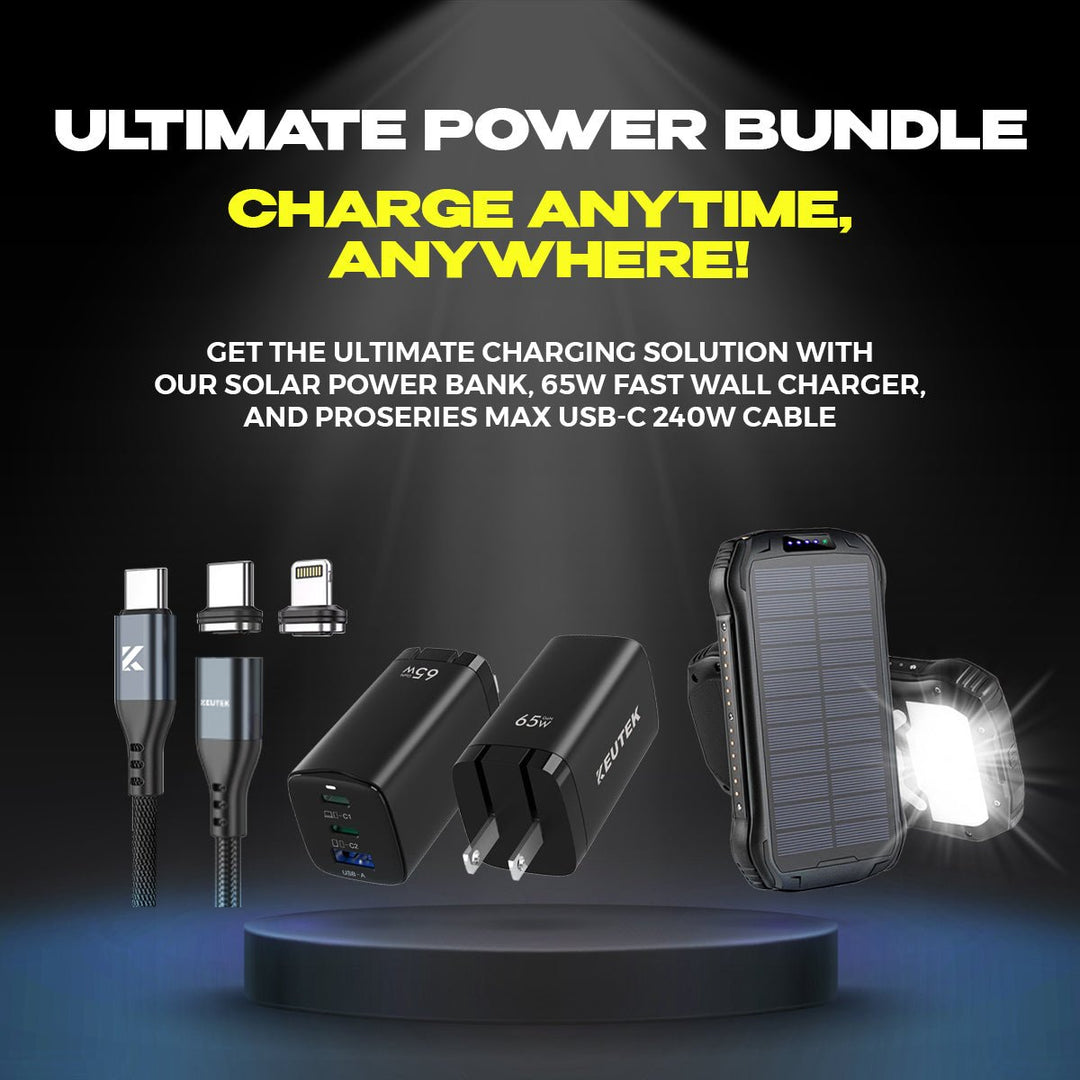
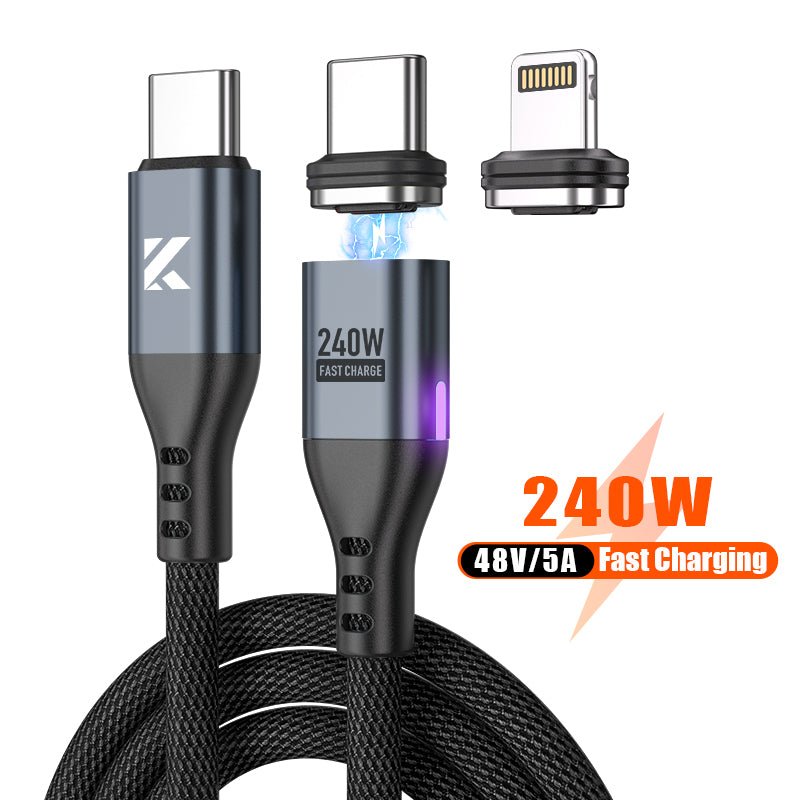
How quickly your devices get juiced up matters, right? Many modern solar power banks come with fast-charging capabilities, often labeled as PD (Power Delivery). This can significantly cut down the time it takes to charge your smartphone or tablet. Also, pay attention to the types and number of output ports. Most will have standard USB-A ports, but for newer devices, a ProSeries USB-C cable connection is a must for faster charging and versatility. Think about how many devices you'll typically need to charge at once and ensure the power bank can accommodate them. It's also good to understand that a solar power bank stores solar energy first, then charges your devices, unlike a direct solar charger that needs sunlight to charge devices on the spot.
Don't Forget Extra Features
Beyond the basics, some extra features can really enhance your experience. Built-in LED flashlights are common and incredibly handy, especially for camping or emergencies. Some solar power banks even offer wireless charging, allowing you to simply place your compatible phone on the bank to power up. Most importantly, look for safety features. Good quality solar power banks include protections against overcharging, short circuits, and overheating. These safety mechanisms are crucial for protecting both the power bank and your valuable devices, giving you one less thing to worry about when you're out and about or relying on it during an unexpected situation.
Solar vs. Traditional: Which Power Bank Wins?
Deciding between a solar power bank and a traditional one really comes down to how you plan to use it. Both have their strong suits and their drawbacks. If you're often off-grid, exploring the great outdoors, or preparing for emergencies, solar might seem like an obvious choice. But if you need guaranteed power, fast, for your daily commute or business trips, a traditional power bank could be your reliable companion. Let's look at the key differences to help you figure out which type will best suit your adventures and daily grind.
Compare Charging Methods and How Well They Work
When it comes to how they get their juice, solar and traditional power banks are quite different. Traditional power banks charge by plugging into a wall outlet, often using a fast wall charger to quickly store up energy. This method is generally reliable and predictable; you know that in a few hours, your power bank will be ready to go.
Solar power banks, on the other hand, rely on sunlight to recharge their internal batteries. While the idea of free, renewable energy is fantastic, the reality can be a bit mixed. Many users find solar power banks work, but their effectiveness heavily depends on factors like the panel's size, sunlight intensity, and charging time. Some tests have even found that many solar-powered power banks are surprisingly ineffective at charging, especially smaller models. So, while solar offers freedom from outlets, it requires patience and the right conditions.
Think About Portability and Versatility
Portability is a big deal for any power bank. You want something you can easily toss in your bag. Solar chargers (which are just the panels without a battery) are often smaller and lighter. However, solar power banks include a built-in battery to store that solar energy, which can make them a bit bulkier than some traditional power banks of similar capacity. The advantage is that they can store a larger amount of energy, allowing for multiple device charges once fully powered up.
Traditional power banks, like KEUTEK's fast portable power options, are designed with portability in mind and come in a huge range of sizes and capacities. Their versatility shines in urban settings or when you have regular access to power outlets. Solar power banks offer great versatility for extended off-grid trips where wall outlets are scarce, making them a favorite for hikers and campers.
Weigh the Long-Term Costs and Green Factor
One of the biggest draws for solar power banks is their eco-friendliness. They harness the power of the sun, reducing your reliance on fossil fuels for charging your devices, especially when you're off-grid. This is a fantastic way to minimize your environmental footprint. Initially, a good quality solar power bank might have a higher upfront cost compared to a traditional one with similar capacity. However, the "fuel"—sunlight—is free, which can be appealing over the long term.
Traditional power banks rely on electricity from the grid, which has its own environmental impact and costs. For very large energy needs, especially if you're looking for consistent off-grid power, some suggest that a solar generator might be more effective than a small solar power bank. Ultimately, the "greener" choice depends on how much you'll use the solar function and whether its performance meets your needs.
Stay Safe: What to Know About Solar Power Bank Safety
Solar power banks are incredibly handy, but just like any electronic device, using them safely is key. A little know-how can go a long way in keeping both you and your gadgets protected. Let's talk about a few important safety points to keep in mind so you can charge up with confidence.
Watch Out for Overheating
One of the main things to be mindful of with any power bank, solar or not, is overheating. Using uncertified or poorly made power banks can introduce some serious risks, like overheating, short circuits, and even fire hazards. These units often skip essential safety features, making them more likely to damage your devices or fail when you least expect it.
When you're choosing a solar power bank, it's a smart move to look for reputable brands that are open about their safety certifications. Investing in quality often means better internal components and safety mechanisms designed to prevent overheating and protect your connected devices. It’s that extra peace of mind that really counts.
Understand How Weather Affects Them
Solar power banks have a bit of a unique relationship with the weather. For them to actually harness solar energy, they need to be in direct sunlight. But, as you probably know, leaving any electronic device in intense, direct sunlight for too long can also cause it to overheat—which we just talked about. It's a bit of a balancing act.
You'll also find that their charging capability significantly dims on cloudy days; the solar panel efficiency drops quite a bit without bright, direct sun. So, while they need sun, be smart about it. Try to avoid leaving your solar power bank baking on a car dashboard or a scorching hot rock for hours on end, as extreme heat isn't its friend.
Use Your Solar Power Bank Safely
Beyond managing heat and sun exposure, a few general best practices will help you use your solar power bank safely for years to come. Our devices are such a big part of our daily lives, and power banks keep them running, so it's really important to prioritize safety when charging.
Always use high-quality charging cables, like KEUTEK's durable ProSeries USB-C cables, to connect your devices, as damaged or low-quality cables can be a safety risk themselves. Try to avoid dropping your power bank or exposing it to water unless it's specifically rated as waterproof. And, it’s generally a good idea to check the manual to see if it’s safe to charge the power bank and your device at the same time—some are designed for it, others aren't.
How to Pick the Perfect Solar Power Bank for You
Alright, so you're ready to find a solar power bank that fits your life like a glove. It’s all about matching the tech to your adventures, whether you're scaling mountains or just want a reliable backup for power outages. Think of it as picking a travel buddy – you want one that’s dependable, has the right skills, and won’t weigh you down. Let’s walk through how to choose one that you’ll be happy with for years to come.
Figure Out Your Power Needs
First things first, let's get real about how much power you actually need. Solar power banks are fantastic for their portability and eco-friendly vibe, offering a sweet taste of energy independence. They're a great way to keep your devices charged using the sun, especially when you're off-grid. However, it's good to remember that their charging power can sometimes be limited by sunlight availability and panel size, so it’s wise to set realistic expectations.
Think about what you’ll be charging. Is it just your smartphone a couple of times, or are you looking to keep a tablet, camera, and maybe even a small GPS unit powered up? Check the milliampere-hour (mAh) rating of your devices and estimate how many charges you’ll need between opportunities to recharge the power bank itself. This will give you a target capacity to look for. For instance, if you're a frequent traveler or an outdoor adventurer who needs to keep multiple gadgets running, one of KEUTEK's fast portable power options might be a great primary or supplementary solution, especially when sunshine is unpredictable.
Match Features to Your Lifestyle
Once you have a handle on your power requirements, consider what features will genuinely make your life easier. If you’re an avid hiker or camper, durability and weatherproofing are non-negotiable. You’ll want something that can handle a bit of rain or an accidental drop. Exploring the benefits of solar power banks often leads to appreciating these rugged designs that truly let you harness the sun wherever you are.
Beyond toughness, look at the number and type of charging ports. Do you need multiple USB-A ports, or is a USB-C port with fast charging capabilities more your speed? Also, don't overlook crucial safety features. Protections against overcharging and overheating are vital for ensuring the safety of both the power bank and your precious devices. Little extras like a built-in LED flashlight can also be surprisingly handy, especially if you’re often outdoors after dark or preparing for emergencies.
Balance Price with Performance
Finally, let’s talk about budget. While it’s tempting to go for the cheapest option, this is one area where you often get what you pay for, especially concerning safety and longevity. Using uncertified power banks can introduce serious safety risks like overheating or short circuits, potentially damaging your devices. It’s always better to invest a little more in a reputable brand that adheres to safety standards.
Think about the long-term value. A slightly pricier power bank from a trusted manufacturer like KEUTEK, known for durable and reliable charging solutions such as their ProSeries USB-C cables, is likely to perform better and last longer. The future of solar charging is exciting, with ongoing innovations set to improve efficiency and usability. Investing in a quality unit now means you’re getting a piece of that reliable, forward-thinking technology. Look for a balance: a price that feels comfortable, paired with the capacity, features, and safety assurances that meet your specific needs.
Our Top Picks: Solar Charging Power Banks
Alright, let's get to the good stuff! Choosing the right solar power bank can feel like a significant decision, especially with so many options available. You want something reliable, efficient, and perfectly suited to your adventures, whether you're a tech-savvy professional who occasionally works remotely, an outdoor adventurer hitting the trails, or someone who values being prepared for any situation. I've looked through what the market offers and considered what truly makes a solar power bank stand out – from its charging capability and durability to the overall user experience.
Below are some top contenders that offer a great blend of features. Remember, the "best" one is always the one that best fits your specific needs and how you plan to use portable power. Think about how you'll use it most often as you read through these recommendations. We'll explore options that cater to different priorities, from a strong focus on eco-consciousness to raw power output and easy portability. This way, you can feel confident you're picking a dependable companion that won’t let you down when you’re off the grid or simply need a sustainable power boost for your devices.
KEUTEK Solar Power Bank
When it comes to dependable power, KEUTEK has built a strong reputation for its high-quality charging solutions, and their approach to solar power banks reflects this commitment. While solar power banks are still an underutilized option for many, they offer fantastic advantages, especially their environmental sustainability by using a truly renewable source of electricity. KEUTEK focuses on merging this green technology with the durable performance and modern design their customers have come to expect. If you're searching for a solar power bank that aligns with a dedication to innovation and sustainability, this is definitely one to keep an eye on, particularly if you already trust KEUTEK for your other charging needs.
Goal Zero Nomad 10 Plus Kit
Goal Zero has successfully established itself, particularly among outdoor enthusiasts and frequent travelers who prioritize eco-friendly and efficient gear. Their Nomad 10 Plus Kit is a prime example of their dedication to effective solar charging solutions. This isn't just a power bank; it's a thoughtfully designed kit aimed at providing a comprehensive solar charging setup when you're far from traditional power outlets. Their marketing often highlights the combination of environmental responsibility and reliable performance, which strongly appeals to those who need to keep their devices powered up in remote locations. If you need a portable solar setup built for the outdoors, Goal Zero’s products are worth a close look.
Anker PowerCore Solar 20000
Identifying a truly effective solar power bank can sometimes be a challenge, as not all models on the market deliver on their promises. As one review from Outdoor Life points out, "The best solar power banks is a very short list because most are gimmicks." However, the Anker PowerCore Solar 20000 consistently earns its place as a reliable option. Anker is a well-recognized name in portable power, and this model combines a substantial 20,000mAh battery capacity with integrated solar panels. While solar charging will naturally be slower than plugging into a wall outlet, it provides a crucial backup for extending your power supply when you're outdoors or in an emergency situation.
RAVPower Solar Charger 25000mAh
The RAVPower Solar Charger 25000mAh stands out as another strong contender, frequently praised for its solid performance across a variety of situations. Many users have shared positive feedback, underscoring its dependability when it matters most. According to How Guide, "Many users report satisfaction with performance in various situations," which speaks volumes about its reliability. This model features a large 25,000mAh capacity, offering plenty of power for multiple device charges. As solar charging technology continues to evolve, with ongoing innovations promising even greater efficiency and usability, options like the RAVPower demonstrate how far these devices have progressed in providing practical, off-grid power.
BigBlue 28W Solar Charger
When discussing solar power solutions, it's also valuable to consider dedicated solar chargers like the BigBlue 28W model, which can be effectively paired with a separate power bank. While this section primarily focuses on integrated solar power banks, highly efficient panels like this one are a key component of the broader solar charging ecosystem. The BigBlue 28W Solar Charger is often recognized for its effectiveness. How Guide mentions that "solar power banks can be reliable," and user satisfaction with robust charging panels like this supports that idea. This type of charger is designed to capture a significant amount of sunlight and convert it efficiently, making it an excellent companion for charging power banks or devices directly when sunlight is ample.
Get the Most Out of Your Solar Power Bank
So, you’ve got your hands on a solar power bank – fantastic! These gadgets are super handy for keeping your devices charged, especially when you're off the grid or just trying to be a bit more eco-conscious. But to really make the most of it, there are a few things you’ll want to keep in mind. Think of it like any other piece of tech; a little know-how goes a long way in keeping it performing at its best for years to come. Whether you're an outdoor adventurer needing reliable power in the wild, or a prepared family wanting backup for emergencies, understanding your solar power bank is key.
Using your solar power bank effectively means more than just hoping for the best when you set it out. It’s about understanding the simple steps that can significantly improve its charging speed and overall lifespan. From where you place it to how you care for its battery, these little actions add up. We'll walk through how to maximize its efficiency and ensure it’s a dependable companion for all your adventures and power needs. With KEUTEK’s commitment to durable performance, pairing that quality with smart usage habits will give you the best experience.
Position It Right for Best Solar Charging
This might seem obvious, but it’s the golden rule of solar charging: your power bank needs sun, and lots of it! For your solar power bank to effectively harness solar energy, its panels must be in direct sunlight. Find a spot where the sun's rays can hit the panel squarely, without any pesky shadows from trees, buildings, or even your backpack. Think about the sun's path and try to angle the panel to catch the most rays throughout the day. If you’re stationary for a while, like at a campsite, you might need to reposition it a couple of times as the sun moves across the sky. Clear, direct exposure is key to a faster, more efficient charge.
Keep It Working Well: Maintenance Tips
Taking good care of your solar power bank will ensure it’s ready when you need it. First off, look for models with built-in safety features. Things like overcharge and overheat protection are crucial not just for the power bank itself, but also for the devices you're charging, like your phone or tablet. Keep the solar panel clean; a quick wipe with a soft, dry cloth can remove dust or grime that might block sunlight. While many are built to be rugged, try to avoid dropping it or exposing it to extreme conditions beyond its design, like excessive moisture unless it's specifically rated as waterproof. A little care makes a big difference.
Make the Battery Last Longer
The battery inside your solar power bank is its heart, and just like your phone's battery, its lifespan depends on how you use it. Frequent, heavy use can shorten its overall life. To help it last, try not to let it completely drain too often, and similarly, avoid keeping it plugged in and charging constantly once it's full if it doesn't have smart charging cutoffs. Extreme temperatures are also a battery’s enemy, so try to keep your power bank out of scorching direct sun for prolonged periods (once it's done solar charging, of course) or freezing cold. Storing it partially charged in a cool, dry place is ideal if you’re not using it for a while.
What If Solar Isn't for You? Other Charging Options
Solar power banks are fantastic for harnessing the sun's energy on the go, but let's be real, they aren't always the perfect fit for every situation or every person. Maybe you live somewhere with unpredictable sunshine, or your power needs demand something a bit more robust and speedy. Perhaps you're an outdoor adventurer who needs guaranteed power after a long trek, or a busy professional who can't afford to wait for a slow solar charge. If you find yourself nodding along, don't worry! There are some excellent alternatives to keep your devices juiced up and ready for action.
It's all about finding what works for your life. If you're a frequent traveler who needs to power multiple devices quickly in an airport, or a family prepper wanting a reliable backup for emergencies, the nuances of your needs will guide your choice. The goal is to have a power solution that you can count on, whether you're miles from an outlet or just need a quick top-up during a hectic day. Exploring these options will help you find the charging solution that truly matches your lifestyle and keeps you connected, no matter what. Let's look at a few reliable ways to power up when a dedicated solar power bank isn't quite cutting it.
Consider Portable Power Banks with Separate Solar Panels
Okay, so those all-in-one solar power banks sound super convenient, but their built-in solar panels can sometimes be less effective than you'd hope, especially if the panel size is small or the sunlight is less than ideal. If you love the idea of solar but need more reliable performance, consider this: pair a high-quality traditional power bank with a separate, often larger, solar panel. This setup can be more efficient because a dedicated solar panel is designed to capture sunlight more effectively. You can position the panel for optimal sun exposure while keeping your power bank and devices safe. Plus, you still have the flexibility to charge your power bank conventionally when the sun isn't cooperating. It’s a smart, adaptable approach for dependable power, especially when you're off-grid or want to maximize your solar charging potential.
Look at High-Capacity Traditional Power Banks
While the eco-friendly appeal of solar is strong, sometimes you just need more power and speed than integrated solar banks typically offer. If consistent, fast charging is a priority for your lifestyle—maybe you're juggling multiple devices or simply can't wait around—a high-capacity traditional power bank is a fantastic choice. These workhorses are built to store plenty of energy and can usually charge your smartphones, tablets, and even some laptops much faster than a small solar panel could. Think about needing a quick battery boost before heading out or keeping everyone's gadgets powered on a family trip. A robust traditional power bank gives you reliable juice without depending on sunshine, making it a super practical option when you absolutely can't risk a dead battery.
Explore KEUTEK's Fast Charging Solutions
When choosing any power bank, its capacity—measured in milliamp hours (mAh)—is a really important factor. Simply put, a higher mAh indicates a greater charging capacity, meaning more power for your devices. If you're looking beyond solar and speed is essential for your daily routine or adventures, it's worth exploring dedicated fast portable power solutions. At KEUTEK, we focus on getting your devices charged quickly and efficiently. Our power banks are designed not only to offer ample capacity but also to deliver that power rapidly, so you're not stuck waiting. It’s about having reliable power that fits seamlessly into your life. And, as with any electronic device, it's always a good idea to understand how to charge safely to protect both your power bank and your valuable gadgets.
Score the Best Deals on Solar Power Banks
Finding the perfect solar power bank is one thing; getting it at the best price is another! With a little know-how, you can definitely snag a great deal without sacrificing quality. It’s all about knowing where to look and when to buy. Let’s explore some smart shopping strategies to help you save.
Check Online Stores and Brand Sites
Your first step in finding a good deal should be a bit of digital window shopping. Prices for solar power banks can vary quite a bit depending on where you look. Start by comparing prices across major online retailers, but don't stop there. Make sure you also visit the official brand websites. Sometimes, manufacturers offer exclusive discounts, bundles, or even refurbished models directly to consumers. For instance, checking out a brand’s dedicated page for fast portable power solutions can give you the full picture of their offerings and any direct-from-brand deals. You might find that buying direct not only gets you a better price but also more detailed product information and customer support.
Watch for Seasonal Sales and Special Offers
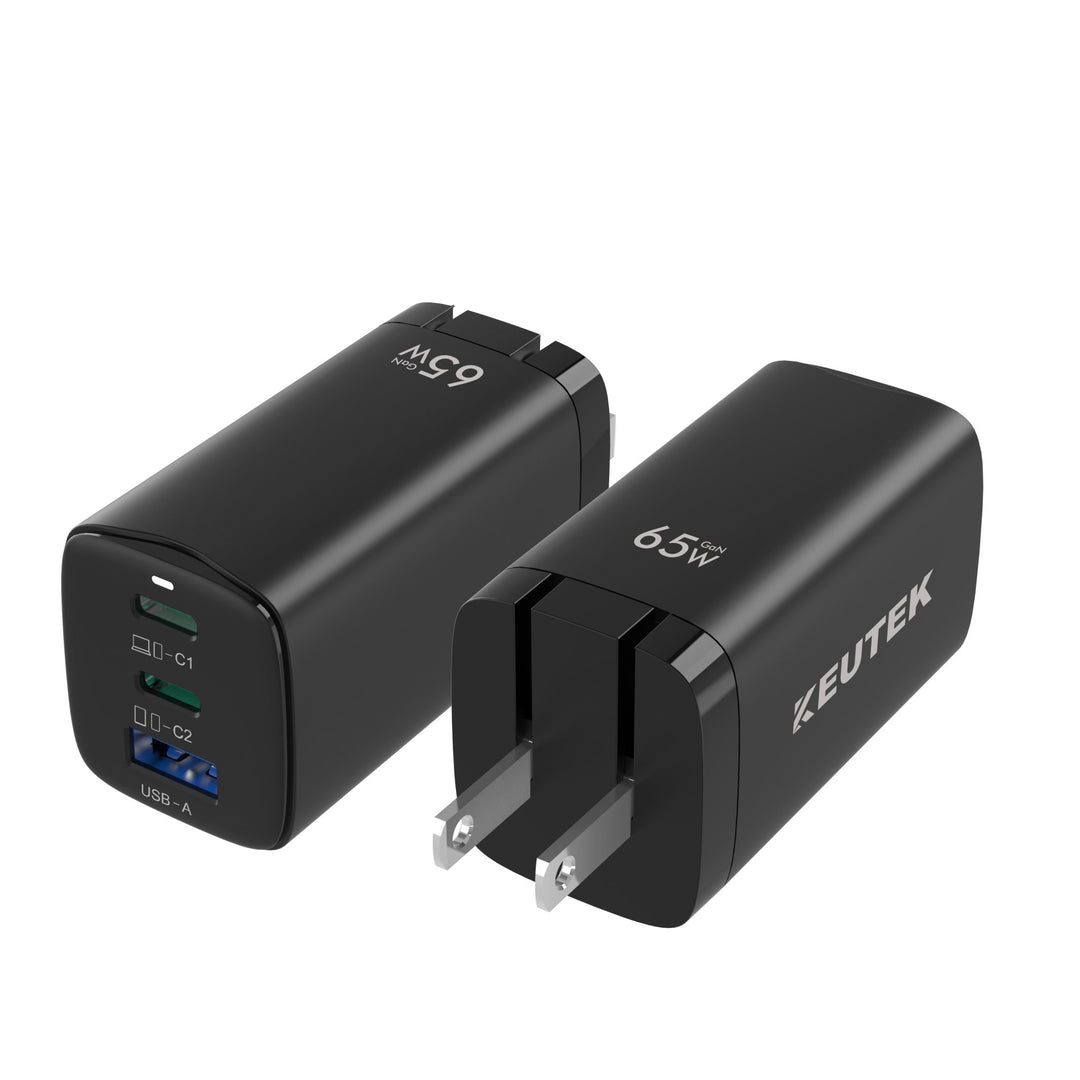
Patience can really pay off when you're looking to buy a solar power bank. If you’re not in an immediate rush, keep an eye out for seasonal sales events. Big shopping holidays like Black Friday or Cyber Monday are obvious times for discounts, but also look for sales around Earth Day, the start of summer (when outdoor gear is popular), or even end-of-season clearances. Brands often run promotions during these periods. Subscribing to newsletters from companies like KEUTEK or following them on social media can give you a heads-up on upcoming sales for products like their fast wall chargers or other charging accessories. Sometimes, as newer models are released, you can find excellent deals on slightly older, yet still perfectly capable, solar power banks.
Related Articles
- Solar Power Charger Bank: Ultimate Guide (2024) – KEUTEK
- Power Bank Solar Chargers: Pros, Cons, and Top Picks – KEUTEK
- Best Solar Powered Power Banks for 2024 – KEUTEK
- Best Solar Power Banks: Top Picks & Buying Guide – KEUTEK
- Best Solar Power Bank Phone Chargers for 2024 – KEUTEK
Frequently Asked Questions
Solar charging sounds a bit slow. Are solar power banks genuinely practical for everyday use? That's a great question! While it's true that charging a solar power bank fully using only sunlight can take a while, think of the solar feature more as a fantastic backup or a way to top off your power when you're away from outlets. For everyday quick charges at home or in the office, you'll likely still rely on plugging it into the wall. But for those times you're camping, hiking, at an all-day outdoor event, or even during an unexpected power outage, that solar capability becomes incredibly valuable for keeping your essential devices running.
How can I tell if a solar power bank is truly durable and safe, beyond just what the ads say? It's smart to look past the marketing buzz! Check for an IP rating, which tells you how well it’s protected against dust and water – super important if you'll be outdoors. Also, look for mentions of safety certifications or features like overcharge, overheat, and short-circuit protection. Reputable brands are usually upfront about these. Reading user reviews can also give you real-world insights into how well a specific model holds up and performs safely over time.
I see solar power banks with huge battery capacities (mAh). Does a bigger battery mean it will charge faster using the sun? Not necessarily. A large battery capacity is great because it means more stored power for your devices, but the speed of solar charging mostly depends on the size and efficiency of the solar panels themselves, plus how much direct sunlight they get. A power bank with a massive battery but small or inefficient panels will still take a very long time to recharge via solar. It's about finding a good balance between the battery size and the quality of its solar charging components.
Is it okay to leave my solar power bank sitting in direct, hot sun all day to get the best charge? While direct sunlight is exactly what your solar power bank needs to collect energy, you do need to be a bit careful with extreme heat. Most electronic devices, including power banks, aren't fans of baking in scorching temperatures for extended periods, as it can affect the battery's health and longevity. The best approach is to position it for optimal sun exposure while it's charging, but try to avoid leaving it on, say, a hot car dashboard or dark rock in the blazing afternoon sun for hours on end if you can.
If I'm not a serious outdoor adventurer, would I still find a solar power bank useful? Absolutely! You don't have to be scaling mountains to appreciate a solar power bank. They're fantastic for anyone who wants a bit more power independence. Think about long days at the park, beach trips, music festivals, or even as a handy backup during power outages at home. It’s also a nice option if you're looking for more sustainable ways to keep your gadgets powered up, even for occasional use.


Leave a comment