

Portable Solar Power Bank vs. Solar Phone Charger

A portable solar power bank is a two-way power tool that stores energy in a built-in battery for use at any time. Standard solar phone chargers often lack this internal storage. They can only provide power when the sun is bright and clear. This means your charging stops as soon as a cloud blocks the light or the sun sets. Because a portable solar power bank keeps energy ready for later, it can charge your phone in the middle of a storm or late at night. According to KEUTEK, solar phone chargers need direct sunlight to work, while power banks store energy for when you need it most. This makes the power bank a better choice for hikers who want to stay safe. It ensures your gear stays powered during long trips away from a wall plug.
Shop fast portable power for dependable energy wherever you go.
For more background before comparing options, see KEUTEK's solar-powered portable charger guide and guide to solar-powered charging.
Picking the right gear is vital for any off-grid trip where you must know the trade-offs between speed, weight, and power. To find the best fit for your bag, you need to weigh the pros and cons of each design. The path begins by comparing a Portable solar power bank vs. solar phone charger.Portable solar power bank vs. solar phone charger
Choosing the right gear for off-grid power starts with a simple choice. You must decide if you need to store power or just make it. While both tools use the sun, they serve very different roles. A portable solar power bank is a battery with a small solar panel built into the case. It collects energy and keeps it for later use. This makes it a great backup for travelers who need power at night or in cloudy weather.
Energy storage and battery capacity
The biggest difference between these two tools is the battery. A solar phone charger is usually just a set of panels with a USB port. It has no way to save energy. If the sun goes behind a cloud, your phone stops charging. In contrast, a power bank stores energy in an internal battery. High-capacity models, such as a portable solar power bank with 26800mAh, can charge a phone several times. This stored energy is vital when you are away from a wall plug.
Battery safety is also a key factor when you buy these tools. Cheap or fake lithium-ion cells can fail or even catch fire if they get too hot. Quality power banks use internal safety parts to stop short circuits. You should always use devices from trusted brands that meet high standards. Experts recommend you charge your device on a flat surface and avoid high heat to keep the battery safe, according to the FDA.
Performance in the field
A solar phone charger works best when you can lay it flat in bright, direct light. Since it has no battery, it is often lighter and easier to pack for long hikes. But its use is limited to daylight hours. A solar power bank is more flexible. It can charge from a wall outlet before you leave home. Then, the solar panel helps maintain the charge while you are outside. KEUTEK power banks are built for tough use with military-grade parts to last in any weather.
To get the most out of your battery, you should manage its charge levels. It is best not to keep a battery at 100% all the time. Instead, try to keep the charge between 30% and 70% to help it last longer, as noted by the National Institutes of Health. Using a high-quality solar charger power bank ensures your tech stays ready for any adventure.
| Feature | Solar Power Bank | Solar Phone Charger |
|---|---|---|
| Battery Storage | Includes internal battery | No internal battery |
| Charging Time | Works day or night | Only works in direct sun |
| Portability | Slightly heavier | Light and thin |
| Primary Use | Backup power storage | Direct device charging |
| Best For | Emergency prep and camping | Long treks and day hikes |
How does each solar charging option work?
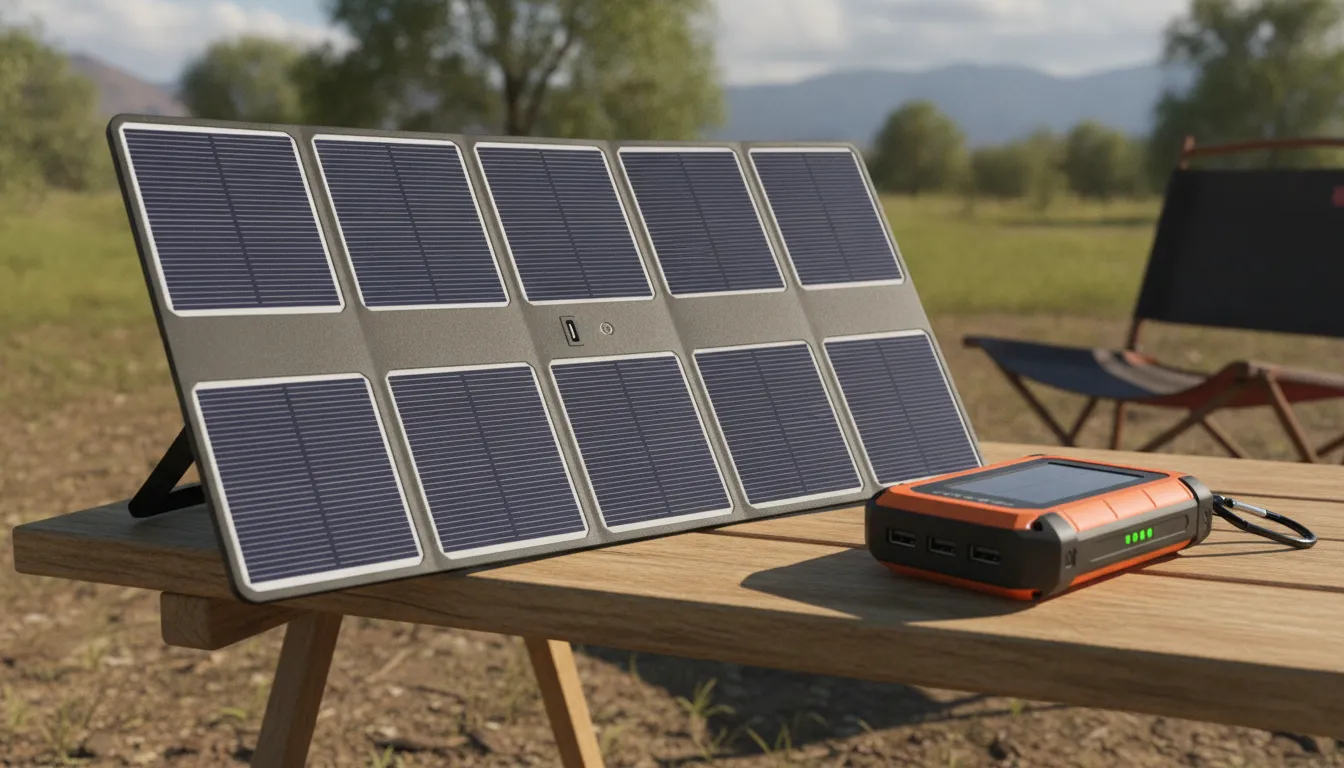
Solar charging tools capture energy from the sun using photovoltaic cells. These cells turn light into electricity to keep your gear running when you are off the grid. While the basic tech is the same, how each tool uses that power depends on its design and build.
Integrated solar power banks
A portable solar power bank uses small solar panels built right into its casing. These panels slowly charge an internal battery throughout the day. This option is helpful for keeping a backup charge ready while you hike or camp. You do not need to connect your phone until the power bank has stored enough energy.
The main benefit here is storage. Since the device has its own battery, it can hold energy for later use. This makes it a great choice for emergency preparedness. But the internal panels are small. They often provide slower charging than a direct wall plug. You should view the solar part as a way to maintain or top off your power levels in remote spots.
Direct solar phone chargers
If direct-to-phone charging is your priority, compare the trade-offs in KEUTEK's guide to solar phone charger options.
A solar charger without a battery works differently. These tools often use large, foldable panels to catch more light. They do not store power for later. Instead, you must plug your device directly into the panel while it is in the sun. This setup can charge a phone quickly if the light is strong and steady.
Because they lack a battery, these chargers are often lighter but less flexible. If a cloud moves in, your charging speed will drop or stop right away. They work best for base camps where you can set them up in a fixed spot. For the best results, you want to keep your gear at room temperature. Extreme heat can harm device batteries over time according to National Institutes of Health (NIH) guidelines.
Impact of conditions and panel size
The speed of your charge depends on the size of the solar cells and the quality of the light. Larger panels catch more photons. This means more power for your device. Clouds, shade, and the angle of the sun all change how well your solar tool works. To get the most power, you should place your panels in direct, bright sunlight on a flat surface.
Conditions matter as much as panel size. Shade, changing sun angles, and high ambient temperatures can reduce performance. Position your charger where air can circulate around it, and move it as the sun shifts to keep the panel producing useful power.
Which option fits your use case?
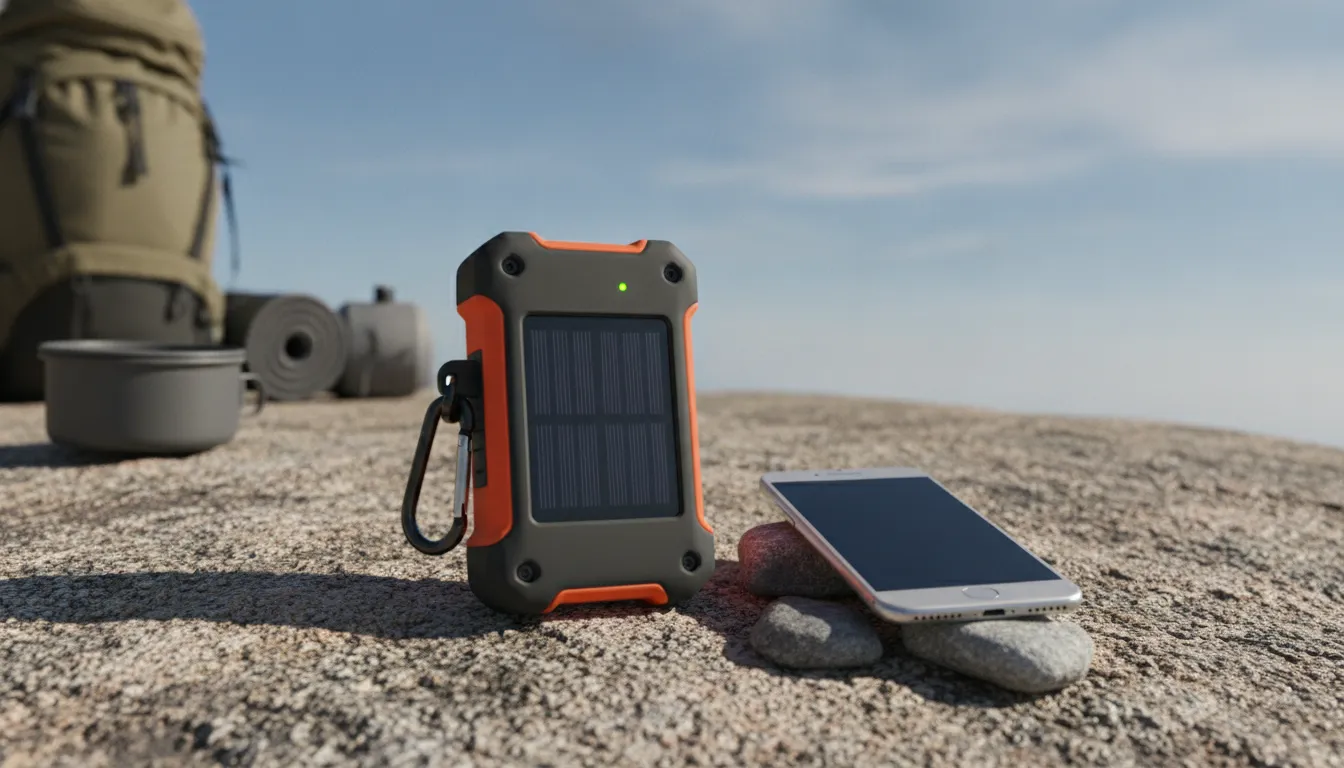
Choosing between a solar charger and a portable power bank depends on your own needs. A portable solar power bank is often the best all-in-one tool for most people. It stores energy for later use while also catching rays from the sun to keep you going. Whether you are prepping for a storm or planning a hike, the right gear keeps your devices alive when you need them most.
Backup power for home emergencies
When the grid goes down, you need a power source you can trust. Stored energy keeps a phone available for family communication, weather alerts, and essential updates after dark. Charge the bank before severe weather arrives, then use its solar panel as a supplementary way to extend your available backup power.
For the best results during a power outage, keep your bank on a flat, clear surface. This helps prevent overheating during use. You should also check your backup gear every few months to make sure it is ready for a real emergency. A quick check-up now can save you from a dead battery when the lights go out.
Staying charged during outdoor travel
If you love to camp or hike, weight and strength matter. A standard solar charger can be light, but it only works when the sun is out. This is why many outdoor fans prefer a rugged power bank with solar panels. These tools can handle drops, dust, and rain without breaking. Look for a unit with military-grade build quality to help it last through tough trails and wet weather.
- Rugged shells protect the battery from falls.
- Waterproof ports keep rain from causing shorts.
- Built-in lights help you find your way at night.
- Solar panels add a slow but steady trickle of power.
When you are on the move, you can hang the bank on your pack. It will soak up light as you walk. This keeps the battery topped off throughout the day. While solar charging is slower than a wall plug, it provides a crucial safety net for long trips. This helps you always have enough power to call for help if you get lost or hurt.
Steady energy for off-grid living
Living off the grid means planning around changing conditions. Battery capacity and dependable output are the top priorities, followed by a durable housing and practical ports for your devices. A clear warranty and accessible support also add peace of mind when you rely on portable power far from the city.
To keep your battery healthy in the wild, avoid letting the charge drop to zero percent too often. Keeping the battery level between thirty and seventy percent is a proven way to extend its life. This simple habit helps the internal cells stay strong for years of off-grid use. It also makes sure you have a full store of power when clouds block the sun for a few days in a row.
How to choose a portable solar power bank
Buying the right gear for your trip ensures you never run out of power. When you look for a portable solar power bank, you must check the tech specs first. A good unit balances energy storage with charging speed. Use this guide to find a device that fits your power needs and travel style.
Check the storage capacity
The first thing to look at is the mAh rating. This number tells you how much energy the battery holds. A 20,000mAh unit may charge a phone several times, although real results depend on the phone, cable, conversion losses, and how the bank is used. High capacity is useful for multi-day trips, but it adds weight to your pack, so balance runtime against portability.
Verify solar panel output
Solar panels on power banks are usually small. They are meant for backup use rather than a full primary charge. Check the panel wattage to see how fast it can catch sun rays. Integrated panels take longer than wall plugs to fill a large battery. It is helpful to look for panels with high conversion rates. Treat an integrated panel as a backup input, and start longer trips with the battery charged from a wall outlet.
Consider durability and ports
Outdoor gear needs to be tough. Look for a solar charger with a rugged build. Strong construction helps the device survive drops and rough handling. Waterproof ratings are also vital if you hike in wet areas. Check the ports to ensure they match your cords. Modern units use fast-charging ports to fill your phone fast. You should also ensure the unit has safety features. Faulty cells or fakes can overheat if they lack safety parts, as noted in reports by the National Institutes of Health.
- Pick your capacity. Decide how many phone charges you need for your trip. 20,000mAh is a common starting point for most hikers.
- Look at the ports. Ensure the unit has the right USB-C or USB-A slots for your cables and fast-charging needs.
- Check the panel size. Larger or folding panels catch more light and help the battery fill up fast in the sun.
- Verify the build. Choose a unit with a high IP rating for water and dust proofing to keep it safe in the wild.
- Review the warranty. A lifetime warranty shows the brand trusts its gear to last through many adventures.
What should you expect from solar charging?
A portable solar power bank is a great tool for off-grid travel. But you must have a clear plan for your power needs. Solar panels on these small units are for top-ups and emergency use. They are not meant to be your only source of power. To stay connected, you should view solar as a backup and not a main wall plug.
Solar charging speed
Charging with the sun is much slower than using a wall outlet at home. A standard wall plug can fill a battery in a few hours. A small solar panel may take days of full sun to do the same task. This is because the surface area of the panel is small. These units work best when they sit in the sun all day to keep the charge you already have.
You should always charge your power bank at home before you leave for a trip. Use the sun to keep the battery level steady while you hike or camp. This method ensures you have enough power for your phone or GPS. It also reduces the stress on the battery cells. High-grade fast portable power units are built to handle these slow charge cycles well. They help you stay ready for any event.
Weather and placement
The weather will change how well your device works each day. Clouds and shade will slow down the charging process. You need direct, bright sunlight for the best results. Even a small amount of dust on the panel can lower its output. Keep the surface clean to get the most power you can from the light. Check the angle of the sun to get the best rays.
Heat is another factor to watch when you are outside. Intense sun can make a battery very hot. This can lead to safety risks or shorter life for the cell. Research shows that extreme heat can cause battery failure in some devices. High-grade units use tough shells to protect the internal parts from these harsh spots. Proper placement helps you get power without hurting the gear.
Best habits for battery health
How you treat your battery matters for how long it stays useful. You do not need to keep it at 100% all the time. In fact, keeping a battery full or letting it hit 0% can wear it out fast. Most experts suggest staying between 30% and 70% charge to help the battery live longer. This balance keeps the internal parts stable and safe.
- Start your trip with a full charge from a wall outlet.
- Place the panel in direct light during rest stops or on your pack.
- Avoid leaving the unit on a hot car dashboard for long times.
- Keep the solar panel clean and free of deep scratches.
- Check your cables to ensure they are firm and clean.
Using these tips will help you get the most from your gear. KEUTEK power banks are made with military-grade parts to last in the wild. They offer a much longer life than many cheap options found online. With a good plan, you can stay powered up no matter where the trail leads. You will feel safe knowing your power source is ready.
Tips for more dependable portable power
Keeping your gear ready is key for any trip. A portable solar power bank needs the right care to work well for a long time. These units use high-tech parts that can wear out if you do not treat them well. By doing a few simple steps, you can make sure your power source stays strong and safe for years.
Manage heat and cold
Extreme heat is the biggest enemy of battery life. High heat can cause lithium-ion cells to break down or even fail. Data shows that extreme heat can cause fires in some batteries if they lack safety parts. Never leave your power bank on a car dash in the sun.
Try to keep your device in a cool, dry place when you are not using it. Cold air also affects how much power your bank can hold. If the device gets too cold, the flow of energy slows down. This can make it hard to charge your phone when you need it most.
When you are out in the woods, keep the power bank in your pack or a pocket. This uses your own body heat to keep the battery at a good temp. Taking care of your gear in the wild means watching the weather. If you are in a desert or a very cold spot, keep your power bank in an insulated bag.
Small moves like this will help you avoid power loss when you need it for safety or fun. Keeping the temp steady keeps the internal parts safe. This ensures your device is ready for use at any time during your trip.
Charge and store properly
How you charge your device matters for its long-term health. Most people think they should always keep their battery at 100 percent. But keeping a solar charger at full power all the time can shorten its life. Avoid letting the power drop to zero before you plug it in.
Use the manufacturer's instructions as your primary guide for charging and storage. At home or in camp, keep the bank where you can monitor it and where air can circulate around the housing.
Keep solar panels clean
Dirt and dust can block the sun from hitting the solar cells. Even a thin layer of grime can make your solar panels much less helpful. To get the best results, wipe the panels with a soft, dry cloth after every trip. Do not use harsh soaps or wet rags that could leave streaks or scratch the panel.
You should also check for cracks or wear on the case. While KEUTEK builds gear with military-grade parts, regular checks are still a good idea. A clean and well-kept panel will catch more light and charge your portable solar power bank faster. Planning your charging times also helps.
Use the bright midday sun to top off your power bank when you can. This is when the light is strongest and most direct. If you wait until late in the day, the sun might be too low to give you a good charge. Setting a routine for your charging will help you stay powered up all through your trip.
Good planning and care make sure your power bank is ready when you head off the grid. These habits help you get the most out of your gear. By treating your tools well, you make sure they are ready for your next big adventure.
Frequently Asked Questions
Are portable solar power banks worth it?
A portable solar power bank is a great tool for anyone who spends time outdoors. It lets you keep your phone and other gear ready for use when you are away from a wall outlet. These units save power in a battery so you can use it at any time. According to KEUTEK, these products are built to last in tough places. Having backup power gives you peace of mind while you travel.
Is a waterproof solar power bank necessary?
A waterproof solar power bank is not always required, but it is a good idea for outdoor use. If you plan to hike, camp, or boat, your gear will likely face rain, dust, or mud. A rugged and waterproof unit can withstand these elements without breaking. KEUTEK products have a strong build to handle the toughest places. This helps your power source stay ready even when the weather turns bad during your trip.
What is the best way to maintain a solar power bank?
Follow the manufacturer's storage guidance, keep the ports and panel clean, and store the unit near room temperature whenever possible. Avoid leaving it in a hot car or exposed to weather for long periods. Inspect the housing and cables before each trip so damaged gear can be replaced before you depend on it.
How do you choose a portable solar power bank for camping?
When you pick a unit for camping, look for a high battery capacity and a rugged design. A unit with 20000mAh can charge most phones four to six times. You should also check for fast-charging ports to fill your devices quickly. KEUTEK suggests picking gear with a lifetime warranty and American support for better value. These features ensure you have enough power to stay connected while you are off the grid.
Ready to find the right solar charging setup?
Waiting until your phone dies in the middle of a trail is a mistake you only make once. Every minute you spend without a strong backup is a risk to your safety. You can get ahead of dead phones right now by choosing a tool built for the wild. Our gear gives you the fast charge you need to stay safe on any trip. If you wait until you are off the grid to find a fix, you have waited too long. Starting now means you will be ready for your next hike without any stress. You get to explore more and stay out longer when you know your gear will work. These tools are built to work in the heat or the cold. Do not get stuck with no way to call for help when you are far from home.
Ready to stay powered? Shop fast portable power to stay ready for your trip.


Leave a comment