

5 Best Heavy Duty Charging Cables That Last

We all have a drawer of shame. It’s the tangled graveyard where flimsy charging cables go to die—frayed, bent, and broken after just a few months of use. It’s a frustrating cycle of buying cheap replacements that are destined for the same fate. A quality heavy duty charging cable is designed to break that cycle. It’s built from the inside out with superior materials and reinforced construction to withstand the daily grind of being pulled, twisted, and stuffed into a bag. This isn’t just about buying a tougher cord; it’s about investing in reliability so you have power when you need it, without constantly replacing a product that was designed to fail.

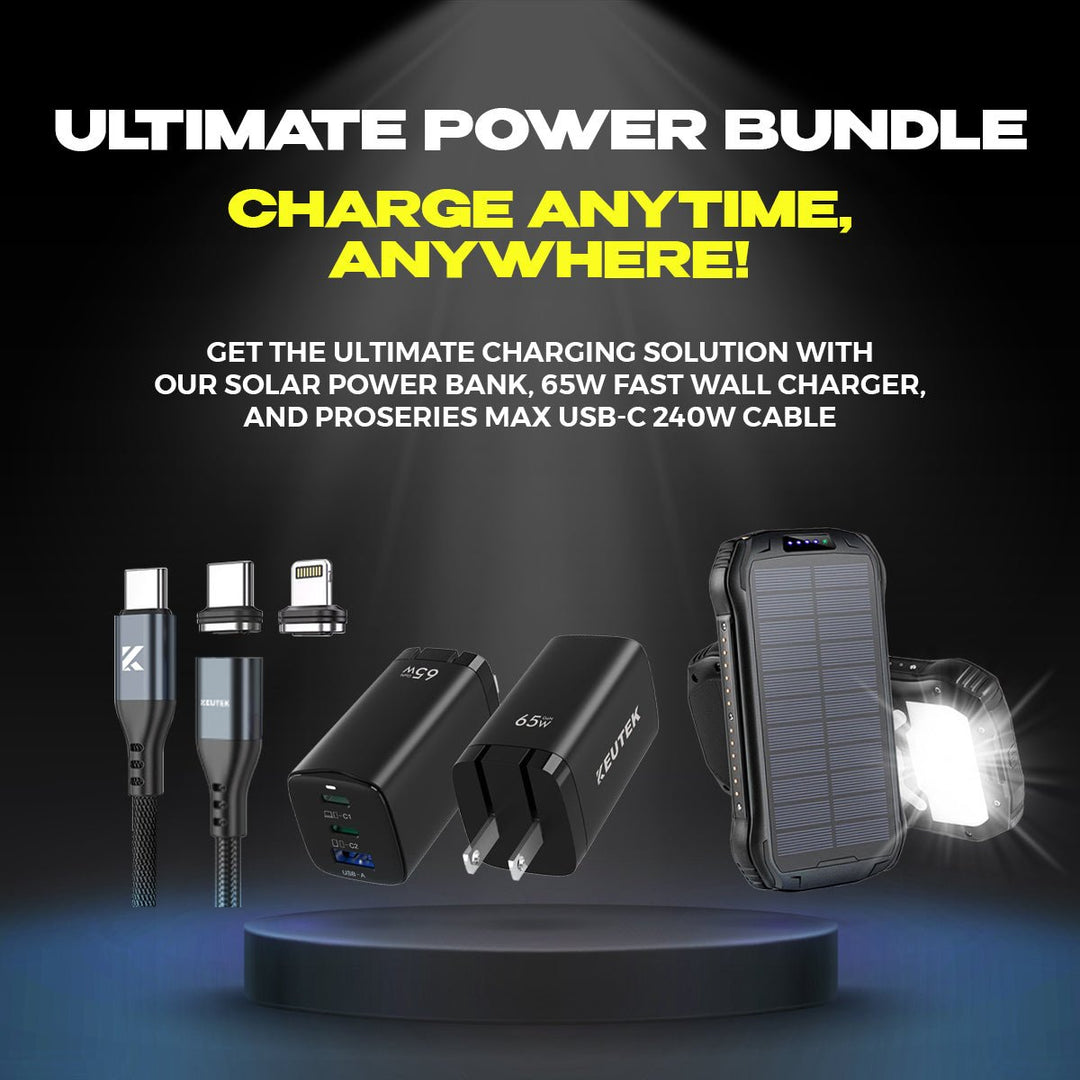
Portable Solar Power Bank 26800mAh - 99Wh Fast Charger
Lithium Polymer (Li-Po) battery. PD fast charging. Holds up to 8 days of reliable power on a single charge. Boasts a charging speed 50% faster than ordinary portable chargers.
Shop NowKey Takeaways
- Look Beyond the Price Tag at the Materials: A truly heavy-duty cable is defined by its construction, not its cost. Prioritize features like a braided nylon jacket and reinforced connector points, which are designed to withstand daily wear and tear far better than standard plastic.
- A Tough Exterior Needs a Fast Interior: Durability is only half the story; performance is the other. Ensure your cable has thick internal wiring that can handle high-wattage power delivery, allowing you to take full advantage of fast wall chargers and power banks.
- Invest in Quality Once to Avoid Repeat Buys: While a premium cable costs more upfront, its longevity makes it more cost-effective over time. You'll save money and avoid the frustration of constantly replacing cheap cables that fray, bend, and fail.
What Makes a Charging Cable "Heavy-Duty"?
When you hear "heavy-duty," you might picture something bulky and industrial. But for a charging cable, it’s all about smart design and superior materials. A truly heavy-duty cable is built from the inside out to withstand the daily grind of being bent, pulled, and stuffed into bags, all while delivering power safely and quickly. It’s the difference between a cable that frays in a few months and one that lasts for years. It’s not just about being tough; it’s about being reliable when you need it most, whether you're charging up at home, in the car, or using a portable power bank on a camping trip. We'll break down the three key elements that separate a premium, long-lasting cable from the cheap ones that always seem to fail at the worst possible moment.
It Starts with Stronger Materials
The flimsy plastic coating on standard cables is often the first thing to go. Heavy-duty cables swap that out for much tougher materials. Many are wrapped in a woven, braided nylon jacket that resists abrasion, cuts, and the dreaded fraying that happens near the connector ends. This material also helps prevent tangles, which is a nice bonus. At KEUTEK, our fast-charging cables are built to last 20 times longer than ordinary ones, with a 20,000-bend lifespan. That means you can bend it back and forth at the connector joint 20,000 times before it gives out. They also have a tensile strength of 175 pounds, so an accidental tug won't spell the end of your cable.
Connectors That Won't Bend or Break
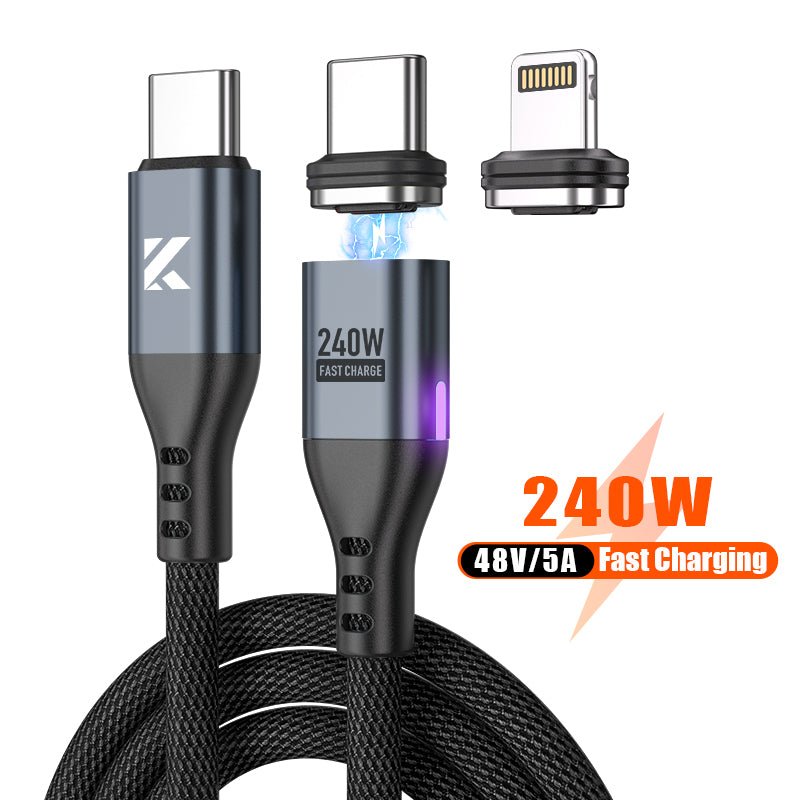
The connector head is the weakest point on most charging cables. It’s where all the stress concentrates when you plug and unplug your device. Heavy-duty cables address this with reinforced construction. Look for a longer, flexible strain relief—that’s the rubbery bit where the cable meets the hard connector plug. This design absorbs stress and prevents the internal wires from snapping. The connector housing itself is also upgraded, often made from durable metal alloys or hard-molded plastics that won't bend or crack. This robust construction ensures the ProSeries Max USB-C connectors stay solid and secure, providing a reliable connection every time.
Better Wires for Faster, Safer Power
What’s inside the cable is just as important as the outside. A heavy-duty cable isn't just about durability; it's also about performance. To handle higher power for fast charging, these cables use thicker-gauge copper wires inside. Thicker wires have less electrical resistance, which means they can carry more current without overheating. This is essential for getting the most out of a powerful fast wall charger and charging your device in a fraction of the time. Proper internal shielding also protects the wires from interference and your devices from power surges, ensuring a stable and efficient charge.
Your Checklist for a Heavy-Duty Charging Cable
When you’re looking for a cable that can keep up with your life, the options can feel overwhelming. It’s easy to grab the cheapest one and call it a day, only to find it frayed and useless a few months later. A truly heavy-duty cable is an investment in reliability, speed, and safety. It’s built to handle more than just a simple charge—it’s ready for daily commutes, rugged adventures, and everything in between. To help you sort through the noise, here’s a simple checklist of what to look for in a cable that’s genuinely built to last.
Build Quality and Durability
The first thing to inspect is how the cable is made. Forget the flimsy plastic that comes standard with most devices. A top-tier heavy-duty cable uses superior materials, like a braided nylon exterior, to resist tangling and abrasion. Look for details on its construction. For example, KEUTEK cables are designed to last 20 times longer than standard ones, with a tensile strength that can withstand up to 175 pounds of force. They also have a 20,000-bend lifespan, meaning the connection points are reinforced to prevent the dreaded fraying that kills most cables. This is the kind of durability that survives being stuffed in a backpack or accidentally run over by your office chair.
Fast Charging and Power Support
A tough exterior is great, but what’s inside counts just as much. A heavy-duty cable needs to support modern fast-charging standards. This means it has thicker internal wires that can handle higher wattage without overheating or losing efficiency. When paired with a powerful adapter, like a fast wall charger, a quality cable can power up your devices in a fraction of the time. Some cables can charge a phone from 0% to 50% in just 20 minutes. This feature is a game-changer when you’re short on time and need to get back to full power quickly.
Weather and Element Protection
If you take your gear outdoors or travel frequently, your cable needs to be ready for the elements. Look for features that offer protection from dust, dirt, and moisture. Some rugged cables come with an IP (Ingress Protection) rating, which tells you exactly how resistant they are to solids and liquids. Even small details, like an attached cap to cover the connector when it’s not in use, can make a huge difference in preventing damage. This is essential for keeping your charging reliable, whether you’re using a fast car charger on a road trip or powering up at a campsite.
The Right Length and Flexibility
Cable length is a matter of personal preference, but it impacts performance. While a 10-foot cable might seem convenient, shorter cables generally provide a faster and more stable charge because there’s less distance for the power to travel. Think about how you’ll use it most. A shorter cable is perfect for connecting to a portable power bank in your bag, while a medium-length one is great for your desk or nightstand. A heavy-duty cable should also be flexible enough to coil easily for storage without putting stress on the internal wiring.
Device Compatibility and Connector Type
Finally, make sure the cable is a perfect match for your devices. The most common connectors today are USB-C and Lightning. A high-quality cable will be specifically designed to work seamlessly with major brands like Apple and Android, ensuring you get the fastest possible charging speeds without any annoying "accessory not supported" messages. Check the product description to confirm it supports fast charging for your specific phone or tablet. Using a compatible, well-made ProSeries Max USB-C cable ensures your devices get the clean, efficient power they need to perform their best.
Our Top Picks for Heavy-Duty Charging Cables
With so many options out there, finding the right heavy-duty cable can feel overwhelming. To make it easier, I’ve put together a list of my top picks from brands that consistently deliver on durability and performance. These cables are built to handle everything from daily commutes to rugged outdoor adventures, ensuring you have reliable power when you need it most. Each one brings something unique to the table, whether it's superior materials, reinforced connectors, or exceptional charging speeds. Let's find the perfect cable for you.
KEUTEK's Fast-Charging Cables
KEUTEK is a standout for its focus on creating durable, cross-device charging solutions. Their cables are specifically engineered for heavy daily use, making them a fantastic choice for anyone who is tough on their gear. What I appreciate most is their versatility; these cables are compatible with a wide range of devices, so you can power up your phone, tablet, and laptop without juggling multiple cords. If you’re looking for a reliable workhorse cable that supports fast charging and is built to last, KEUTEK’s ProSeries Max USB-C cables are an excellent place to start. They offer a solid blend of performance and resilience.
Anker PowerLine Series
Anker has built a strong reputation for quality, and their PowerLine series is a perfect example of why. These cables are known for their impressive durability and fast charging capabilities. Anker often uses high-quality materials and reinforces the connector ends—the most common point of failure for standard cables. This means they can withstand thousands of bends, twists, and pulls without fraying or breaking. For anyone who needs a cable that can survive being tossed in a bag or used by the whole family, the Anker PowerLine series is a dependable and popular choice that consistently performs well under pressure.
Belkin DuraTek Collection
Belkin’s DuraTek cables are designed with one thing in mind: extreme durability. They are constructed with an aramid fiber core, the same material used in ballistic vests, which gives them incredible strength. The outer jacket is double-braided for added protection against abrasion, and the connectors are laser-welded to prevent separation. This reinforced structure makes them ideal for heavy-duty use in demanding environments. If you’ve had a history of cables failing on you, the Belkin DuraTek collection offers a premium, ultra-strong option designed to be the last cable you’ll need to buy for a long time.
OtterBox Premium Cables
You might know OtterBox for their tough phone cases, and they bring that same commitment to durability to their charging cables. OtterBox premium cables are dependable and built to last, undergoing rigorous testing for bend and pull strength. They are designed to make charging your devices easy and quick, with a tough exterior that resists tangling and fraying. These cables are a great match for anyone who already trusts the OtterBox brand for device protection. You can find durable charging cables for various phone brands, ensuring you get the same rugged quality you expect for all your essential tech.
Cable Matters Reinforced Options
Cable Matters offers a wide variety of reinforced charging cables that provide excellent value without compromising on strength. Their cables are built to withstand heavy use, often featuring durable, gold-plated connectors and a strong, flexible cable design that prevents tangling. They are a practical choice for everyday reliability, whether you need a cable for your car, office, or home. What makes them a solid pick is their focus on combining durability with affordability. If you need to stock up on several heavy-duty cables for different locations, Cable Matters provides strong, dependable options that won’t break the bank.
Is a Heavy-Duty Cable Really Worth It?
Let’s be honest: when you see a heavy-duty charging cable next to a standard one, the price difference can make you pause. It’s tempting to grab the cheaper option and call it a day. But if you’ve ever dealt with a frayed cord, a bent connector, or a phone that takes forever to charge, you already know the hidden costs of settling for less. A well-made, heavy-duty cable isn't just a purchase; it's an investment in reliability, speed, and peace of mind. It’s the difference between a tool you can count on and a disposable accessory that will let you down when you need it most. Before you decide, let's break down what you're really getting for that extra cost.
Save Money in the Long Run
Think about how many cheap charging cables you’ve bought over the years. They fray, the connectors bend, and eventually, they just stop working, forcing you to buy another one. It’s a frustrating and wasteful cycle. Heavy-duty cables are designed to break that cycle. For example, KEUTEK cables are built to last up to 20 times longer than ordinary ones. While the initial cost is higher, you won't be replacing it every few months. Over time, that single, durable cable ends up being far more cost-effective than a drawer full of broken, budget-friendly ones. It’s about paying once for quality that lasts.
Get Faster, More Reliable Charging
Time is one thing you can't get back, and waiting around for your phone to charge is a drag. Heavy-duty cables are built with higher-quality copper wiring and better components that allow for a faster, more efficient transfer of power. This means you can get your devices charged up and ready to go in a fraction of the time. Some high-quality cables can charge a phone from 0% to 50% in just 20 minutes. To get those speeds, you’ll need to pair your cable with a powerful adapter, like a fast wall charger, but the cable itself is the critical link that ensures the power gets to your device safely and quickly.
Stay Safe with Better Protection
A cheap cable isn't just unreliable; it can be a safety hazard. Poorly made cables can overheat, short-circuit, or even damage the battery in your expensive smartphone or tablet. Premium, heavy-duty cables come with built-in safety features to prevent this. Many include technology that regulates the voltage and current, and some even have an automatic shutoff function to protect your device from overcharging. This ensures your gear is protected from power surges and overheating, giving you the confidence to plug in your devices and walk away, even overnight. When you’re powering up thousands of dollars worth of tech, a safe cable is non-negotiable.
Perform Better in Tough Conditions
Life doesn’t always happen next to a power outlet in a climate-controlled room. For travelers, outdoor adventurers, or anyone who works in a demanding environment, a standard cable just won’t cut it. Heavy-duty cables are designed for the real world. They often feature reinforced connectors, braided nylon sheaths, and even IP ratings for water and dust resistance. This durability means you can toss it in a backpack, use it in your car, or take it on a camping trip without worrying about it failing. When you need power on the go, a reliable fast portable power bank and a tough cable are a combination you can depend on.
Heavy-Duty vs. Standard Cables: What's the Difference?
When you unbox a new phone, the charging cable that comes with it feels like a freebie. But after a few months, it often starts to fray, bend, or just stop working. That’s the standard cable experience. Heavy-duty cables are in a completely different league. They’re designed from the ground up for durability and performance, making them a smart investment for anyone who relies on their devices. Let's break down exactly what sets them apart.
Durability and Performance: A Head-to-Head
The most obvious difference is in the build quality. Standard cables use basic plastic sheathing that can’t handle much stress. Heavy-duty cables, on the other hand, use reinforced materials. For example, KEUTEK’s fast-charging cables are built to last 20 times longer than ordinary ones, with a tensile strength of 175 pounds and a 20,000-bend lifespan. This means you can toss it in your bag or use it in your car without worrying. The connectors are also reinforced to prevent bending and breaking, which is the most common point of failure for standard cables.
Breaking Down the Price Difference
Yes, a heavy-duty cable costs more than a cheap one from a gas station. But it’s important to think about why. You’re paying for superior materials, smarter engineering, and rigorous testing that ensures the cable can handle daily abuse and deliver power safely. Think of it as an investment. Buying one high-quality cable that lasts for years is far more cost-effective than replacing a flimsy one every few months. That higher price tag buys you reliability and peace of mind. It’s part of building a dependable charging setup, right alongside a powerful fast wall charger.
How Long Should Your Cable Last?
A quality heavy-duty cable should last for years, not months. The lifespan is often measured in bend cycles—the number of times a cable can be bent back and forth before it breaks. A good benchmark is a 20,000-bend lifespan, which simulates years of regular use. Beyond just surviving, a durable cable needs to maintain its performance. Cheaper cables can degrade over time, leading to slower charging speeds. A well-made cable will consistently deliver the fast, stable power your devices need, especially when paired with a fast car charger on the go.
How to Choose the Right Heavy-Duty Cable for You
Picking the right heavy-duty cable often comes down to one thing: the connector. With different devices using different ports, it’s easy to get confused. But once you understand the main types and what they’re best for, you can find the perfect cable to power up your gear quickly and reliably. Let’s break down the most common options so you can make a smart choice for your phone, tablet, or laptop.
USB-C vs. USB-A: What You Need to Know
When you’re looking at charging cables, the biggest players are USB-C and USB-A. Think of USB-A as the classic, rectangular connector you’ve seen for years. It’s reliable but is being phased out by the newer, more powerful USB-C. The main advantage of USB-C is its ability to handle more power for faster charging. In fact, e-marked USB-C cables support 100-240 watts of power, making them ideal for everything from smartphones to laptops. For the fastest and most versatile charging experience, a heavy-duty ProSeries Max USB-C cable is your best bet for modern devices.
What About Lightning Cables?
If you’re an Apple user, the Lightning cable has been your go-to for years. These connectors are designed specifically for iPhones, iPads, and other Apple accessories. They’re known for being sturdy and dependable, offering a solid connection every time you plug them in. A good heavy-duty Lightning cable does more than just charge; it can also move data at a high speed, which is perfect for syncing photos, music, and files with your computer. While Apple is transitioning newer devices to USB-C, a durable Lightning cable is still an essential tool for millions of iPhone owners.
Considering a 3-in-1 Solution
Do you have a mix of devices? Maybe an iPhone, an Android tablet, and a pair of wireless headphones with a Micro-USB port? Juggling three different cables is a hassle, especially when you’re traveling or trying to keep your space tidy. This is where a 3-in-1 cable comes in. It’s a single, versatile cable designed to charge many different electronic devices by combining Lightning, USB-C, and Micro-USB tips into one cord. It’s the ultimate solution for families, tech enthusiasts, or anyone who wants to be prepared to charge anything, anytime.
Don't Fall for These Charging Cable Myths
Shopping for charging gear can feel like a minefield of technical terms and confusing claims. It’s easy to get tripped up by common misconceptions that can lead you to buy the wrong products or even worry about damaging your devices. Let's clear the air and bust a few of the most persistent myths about charging cables so you can power up with confidence.
Myth: All USB-C Cables Are Fast Chargers
Just because a cable has that familiar oval-shaped USB-C connector doesn’t automatically mean it’s a fast-charging cable. The connector is just the physical shape; what really matters are the wires and technology inside. While a fully compliant USB-C cable should support a solid amount of power, many cheaper, off-brand options on the market don't meet these standards. A low-quality cable can create a bottleneck, slowing your charge to a crawl no matter how powerful your wall adapter is. To get the speed you’re paying for, you need a cable specifically built to handle higher wattage.
Myth: Any Cable Will "Fast Charge"
Have you ever plugged your phone into a powerful new charger using an old cable, only to be disappointed by the charging speed? That’s because the cable is just as important as the power source. Fast-charging cables are engineered differently, with thicker internal wires that can safely handle a much higher electrical current. Using a standard, flimsy cable with a high-speed charger is like trying to put out a fire with a garden hose—the source has plenty of power, but the delivery system can't keep up. To truly get a fast charge, you need to pair a quality cable with a matching fast wall charger.
Myth: A High-Wattage Charger Will Fry Your Phone
It’s understandable to worry that plugging your phone into a powerful 100W charger could overload its battery. Thankfully, modern devices are much smarter than that. This is where a technology called USB-C Power Delivery (PD) comes in. Think of it as a smart conversation between your charger and your device. The charger doesn't just blast power; it communicates with your phone or laptop to determine the exact amount of power it needs and can safely handle. This smart technology is built into modern power sources, from wall adapters to a fast portable power bank, ensuring your device only draws the current it was designed for.
Where to Find the Best Deals on Heavy-Duty Cables
Finding a great deal on a heavy-duty cable isn’t just about snagging the lowest price—it’s about getting the best value for your money. A cheap cable that frays in a month isn't a deal; it's a headache. The real win is finding a durable, high-performance cable that will last for years, without paying a premium. The key is knowing where to look and when to buy.
You can find heavy-duty cables in a few key places. Major online retailers offer a massive selection and competitive prices, but they can also be overwhelming. Buying directly from a trusted brand gives you peace of mind and often comes with perks you won't find elsewhere. And, of course, timing is everything. Shopping during major sales events or keeping an eye out for special promotions can help you get top-tier gear at a much better price. Let’s break down how to approach each option so you can find the perfect cable that meets your needs and your budget.
Shopping on Major Online Retailers
Big online marketplaces like Amazon are often the first stop for many shoppers. They offer a huge variety of brands, from well-known names like OtterBox to countless others, all competing for your attention. The sheer volume means you can compare prices and read through thousands of customer reviews to see how cables hold up in the real world. This competition can drive prices down, making it a great place to hunt for a bargain.
However, the endless scroll can be a double-edged sword. It’s easy to get lost in the options, and it can be tough to tell a genuinely durable product from a cheap knock-off with clever marketing. Always be sure to buy from the brand’s official storefront on these sites to avoid counterfeit products that won’t perform when you need them most.
The Perks of Buying Directly from the Brand
There’s a lot to be said for going straight to the source. When you buy directly from a brand like KEUTEK, you eliminate the guesswork. You’re guaranteed to get an authentic product that’s backed by a real warranty and accessible customer support. Brands often run exclusive promotions, bundles, or loyalty programs for their direct customers that you won’t find anywhere else.
Plus, you’re buying from experts who live and breathe this stuff. We design our fast-charging cables for heavy daily use, ensuring they’re compatible with all your devices and built to withstand your lifestyle. Buying direct means you’re getting a product that meets these high standards, every single time. It’s the most reliable way to ensure you’re investing in quality that lasts.
When to Buy to Get the Best Price
A little patience and planning can go a long way in getting the best price on a top-quality cable. Keep an eye out for major sales events like Black Friday, Cyber Monday, and even back-to-school promotions, as many brands offer significant discounts during these times. It’s the perfect opportunity to stock up on reliable gear for your car, home, and travel bag.
A pro tip is to sign up for the email newsletters of brands you trust. You’ll be the first to know about flash sales and receive exclusive coupon codes. It’s also smart to plan your purchases ahead of time, especially around the holidays. Not only will you get a better price, but you’ll also avoid the stress of last-minute shopping and potential shipping delays.
Related Articles
- The Ultimate Fast Charge Cable Buyer's Guide
- Fast Charger Cables: The Ultimate Guide (2024)
- Fast Charger Cables: The Ultimate Guide (2024)
- Fast Charger Cables: The Ultimate Guide (2024)
- 7 Best Fast Charger Cables of 2025 (Tested)
Frequently Asked Questions
How can I tell if a cable is truly heavy-duty or just has clever marketing? Look past the packaging and check for specific durability specs. A genuinely tough cable will have details to back it up, like a braided nylon exterior instead of simple plastic. Check for a high bend lifespan—something around 20,000 bends is a great benchmark—and a strong tensile strength, which tells you how much force it can withstand. These numbers show that the cable has been tested to survive real-world use.
Will a heavy-duty cable make my older phone charge faster? A high-quality cable can definitely help, but it’s only one piece of the puzzle. Your phone and your power adapter also need to support fast-charging standards. Think of it this way: a great cable removes a potential bottleneck, ensuring your phone can draw power as quickly as it’s able. However, it can’t make your phone accept power faster than its internal hardware was designed to.
Is a longer cable always worse for charging speed? While it’s true that shorter cables have less electrical resistance, the difference is often minimal with a well-made heavy-duty cable. Quality cables use thicker internal wires to compensate for the extra length, ensuring a stable and efficient charge. The most important factor is the overall build quality, so feel free to choose the length that best fits your space without worrying too much about a drop in performance.
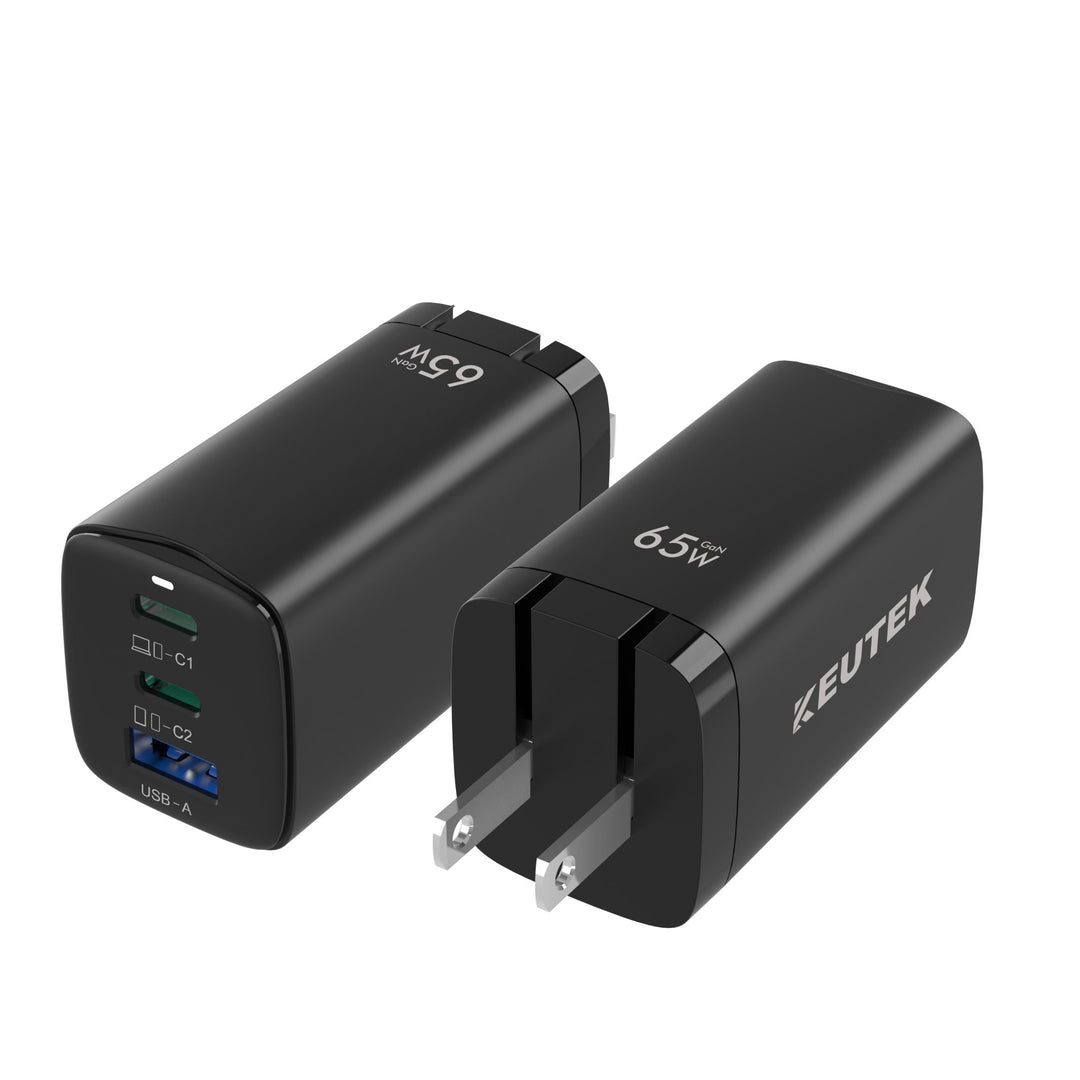
Do I need a special wall charger to go with my new cable? Yes, to get the full benefit of a fast-charging cable, you should pair it with a powerful wall charger. The cable is the pathway for the power, but the charger is the source. Using a high-performance cable with a weak, standard charger won't give you those impressive charging speeds. The two are designed to work together as a system to power up your devices quickly and safely.
My phone already came with a cable. Why should I buy another one? The cable included with your device is typically a basic, standard-issue cord designed to be cost-effective. It will get the job done, but it’s not built for long-term durability. An aftermarket heavy-duty cable is an upgrade in every sense—it’s made with stronger materials, offers faster charging capabilities, and is engineered to withstand the daily wear and tear of being bent, pulled, and tossed in a bag.


Leave a comment