

Emergency Power Bank Checklist for Families

A dark phone screen in the middle of an outage or roadside delay can cut your family off from directions, alerts, and help. An emergency power bank gives you a practical way to keep essential devices working, but only if its capacity, ports, cables, and recharge plan match the situation.
Shop reliable fast portable power to build a family emergency kit before the next outage or road trip.
Emergency power bank units are portable batteries that keep your phones and lights working when your home or car loses electricity during a major storm, flood, or disaster. You should pick a high capacity model that can charge every family member's phone at least twice while including car adapters and cables for all your mobile devices. The CDC recommends having backup power sources like these to stay safe during a long outage so you can call for help and get news updates. Keeping these batteries charged and ready in a safe place ensures your family stays connected whenever the local power grid fails for a few days, giving you confidence.
Emergency power bank checklist: start with your real needs
A power loss during a big storm can last a long time. For many people, a dead phone is more than a trouble. It is a safety risk. A working phone is a lifeline when you need to call for help. You should have an emergency power bank ready to keep your tools running. This starts with a clear plan for your power needs.
List your needed tools
Start by looking at what you use every day. Your phone is likely the first thing on your list. But do not forget other gear. You may need to power tablets, flashlights, or health tools. The CDC notes that power loss can be deadly for those who use home health tools. Write down every tool that needs a plug. This list helps you see how much power you really need.
Think about the types of ports you need. Most new phones use USB-C. Older gear might need a different plug. When you choose a fast charging portable power source, make sure it has the right holes for your cords. You want to be sure it all fits when the lights go out. If you have many types of cords, look for a bank with many types of ports.
Plan for the whole family
One small battery might help one person for a day. But a whole family needs more juice. If you are on a road trip, every kid might have a screen. If you are at home, you and your spouse both need to stay in touch. Plan for one large bank or a few small ones so no one is left in the dark. A family with four people will need much more power than a single user.
Think about how fast you need to charge. Some gear takes a long time to fill up. A good emergency power essentials kit includes high-speed options. This helps you get back to full power in less time. It also means you can share one battery more easily among many people. Speed is key when you have many tools but only a few batteries.
Map your power timeline
How long will the power be out? A short trip might only need a few hours of backup. A big storm can leave you without power for days. You should aim for at least three days of power for your most key tools. Having a backup plan makes sure you can keep in touch with family and news. If you live in a place with many storms, plan for a longer time.
Think about where you can get more power. If the grid is down, you may still have a car. A car charger can help you fill your bank while you drive to a safe spot. You might also use a solar panel if the sun is out. Knowing your options for a refill is just as key as having the battery itself. Always think about how you will get more power if the outage lasts for a week.
- Count your core tools. List every phone, tablet, and health tool you must keep on.
- Check your plug types. Look at your cords to see if you need USB-C or other ports.
- Total your users. Add up every person in your home who will need a charge.
- Pick your time goal. Plan for at least 72 hours of power for each key tool.
- Find your backup spots. Find where you can recharge, like a car or a solar panel.
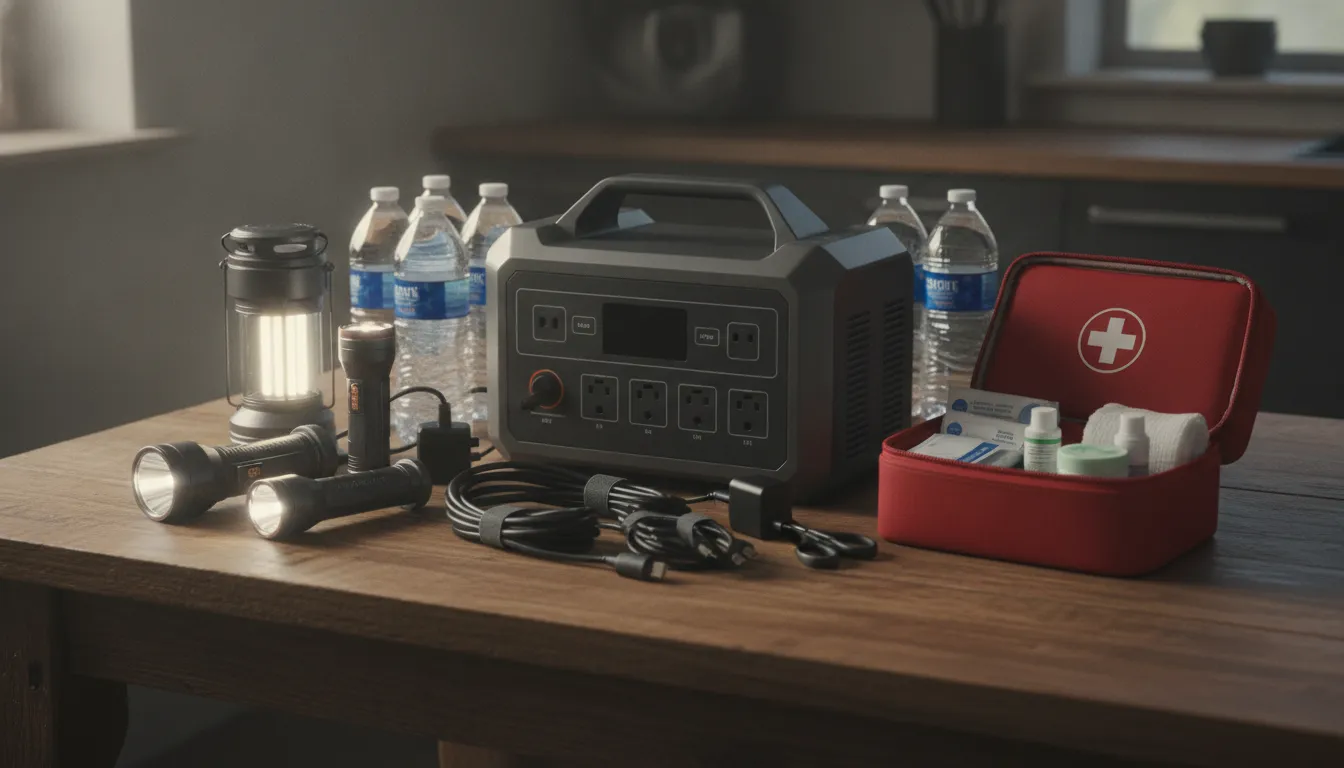
How much capacity does an emergency power bank need?
Choosing the right size for your backup battery is the first step in safety planning. You need to know how much power you must store to stay in touch during a crisis. A small battery might not last long enough if the lights stay out for days. But a large unit could be too heavy to carry in a bag. Finding the right mix will keep your phone alive when you need it most. You should plan for at least three days of power for your basic needs.
Learning about mAh and watt hours
Most people measure battery size in milliampere-hours, or mAh. This number tells you how much energy the cell can hold over time. For example, a 10,000 mAh battery holds twice as much charge as a 5,000 mAh unit. It is the standard way to check the size of an emergency power bank meant for phones. You should look for this number first when you buy new gear. Most small banks fall between 5,000 and 20,000 mAh.
Watt-hours, or Wh, are another way to measure total energy. This unit is common for larger power banks or small stations. It helps you compare other types of batteries that use many volts. If you plan to power small tools or a laptop, Wh is a better guide. Many travel rules also use Wh to limit the size of batteries on planes. Knowing both terms will help you make a smart choice for your family kit.
Keep in mind that no battery is perfect. Some energy is lost as heat when you charge your device. This means a 10,000 mAh bank does not give a full 10,000 mAh to your phone. Most units lose about 30 percent of their power in the process. You must account for this loss when you plan your backup needs. Always buy a slightly larger bank than you think you will need.
Finding your power needs
To find the right size, look at the devices you own. Most cell phones have batteries between 3,000 and 5,000 mAh. A single charge for one phone means you need at least that much stored power. As noted, energy is lost when you charge a device. You should aim for a bank with at least 10,000 mAh to get two full charges. The CDC suggests having backup power sources ready for any long outage.
If you have a large family, you will need more power. A 20,000 mAh bank can charge several phones over a long weekend. This size is great for groups or people who use their phones for maps and news. It provides a solid safety net when you cannot reach a wall plug. Having fast charging portable power ensures every device stays ready for use. You might also want to charge a tablet or a small flashlight.
Do not forget about other small tools in your kit. A tablet needs much more power than a phone. Most tablets have batteries over 7,000 mAh. If you want to keep a tablet running, you will need a bank with 20,000 mAh or more. This ensures you can stay busy or get news during a long storm. It is better to have extra power than to run out too soon.
Choosing the right output speed
Capacity tells you how long a battery lasts, but output tells you how fast it works. This is measured in watts, or W. If a power bank has a low watt rating, it will charge your phone very slowly. In a real crisis, you may not have hours to wait for a full bar. Look for a unit that offers fast charging to save time. This speed is vital when you need to make a quick call or check the news. High output also lets you charge larger tools like tablets.
Check the ports on the battery before you buy it. Some ports only offer slow speeds. You want a port that matches the fast charge skills of your phone. Most modern phones can handle 18 to 30 watts of power. Using the right cable with your bank will also help. A high-speed cable ensures the power flows as fast as it can. This setup gives you the best chance to stay powered up when it counts.
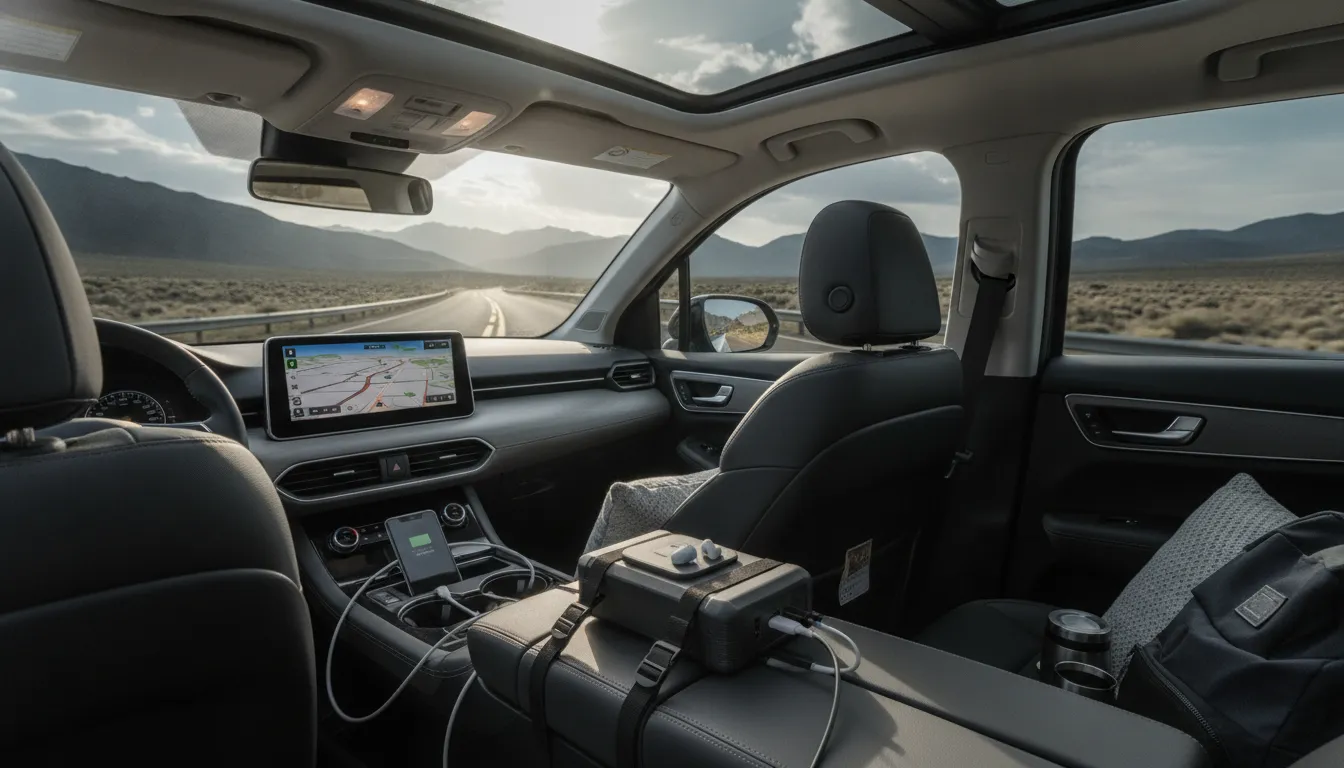
Power bank or portable power station: which fits the trip?
Choosing the right tool to keep your gear charged depends on your plans. A small device might keep a phone alive for a day. A large station can run small tools or lights for a week. Both help you stay safe when the lights go out. You should have a plan for backup power sources for your personal devices before a storm hits. Big storms can cause outages that last for a long time.
Small power for quick trips
Small power banks are great for daily use or short hikes. They fit in a pocket or a small bag. These units usually hold enough power to charge a phone once or twice. They are light and easy to carry. This makes them a top choice for a quick backup in your car or purse. Carrying an emergency power bank helps keep your phone working when you are away from a wall plug. It gives you a way to call for help if your car breaks down.
Most small banks use USB ports to charge your gear. They are simple to use and do not take up much space in your bag. But they cannot power big items like fans or laptops. If you only need to keep one phone ready for a few hours, a small bank is best. It is a cheap way to stay in touch with family. These small units are perfect for people who move around a lot during the day.
More power for family needs
Large portable banks hold much more energy than pocket units. These are built for longer trips or family use. They often have two or more ports so you can charge many phones at once. Some even have fast charging tech to fill batteries in less time. These banks are still small enough to fit in a backpack or glove box. They are a good middle step between a small unit and a big power station. You can rely on them for a full weekend away from home.
For a family road trip, a high-power bank is a smart pick. It can keep the kids' tablets and your maps app running all day. In a home outage, it can keep multiple phones alive for a few days. The CDC notes that a working cellphone is a lifeline in an emergency, so keeping it charged is vital. A larger bank gives you more room to breathe if you cannot find a plug for a long time. It can be the change between staying calm and feeling lost.
Power stations for total backup
Portable power stations are the largest option for backup power. They are big batteries in a rugged case with many types of plugs. They can charge phones, but they can also run lights, fans, or health gear. Many of these units can be charged with solar panels. This makes them great for off-grid trips or long power losses at home. They are heavy, so they are best for car camping or keeping in your closet for storms. You should use them for gear that a small bank cannot handle.
A power station is like a silent, clean generator. You do not need gas or oil to make it work. It provides a steady flow of power for your main gear. While they cost more than small banks, they offer the most peace of mind. They ensure your family has lights and a way to stay cool or warm during a storm. Having one ready can help your family get through a tough week without power. They are a core part of any home safety kit.
| Power Source | Best Use | Carry | Device Capacity |
|---|---|---|---|
| Pocket Power Bank | Daily use, short trips | Fits in pocket | 1-2 phone charges |
| High-Power Bank | Road trips, family use | Fits in backpack | 4-8 phone charges |
| Power Station | Home outages, camping | Heavy, car-ready | Dozens of charges plus small tools |
Which charging features matter in an emergency?
In a power loss, your phone is more than a tool. It is a vital link to help and news. The CDC says you should have an emergency power bank to keep your phone on. When you pick a pack, look for clear features that keep you linked. High pack size and speed are the most needed parts to check. You want a tool that is ready when the lights go out.
Fast charging and high capacity
A big pack only helps if it can give power to your phone fast. In a crisis, you may have very little time to charge before you must leave. If you only have ten minutes of power, you need to gain as much charge as you can. Look for units that offer fast charging portable power to save time. These packs use high output to fill your phone in a small part of the time of older models. A fast-charge port can be the gap between a dead phone and a working one when you hit the road.
The size of the unit also matters. This is often shown in mAh. A pack with 20,000 mAh can charge most phones four or five times. This is key during long storms that cut power for a long time. Large storms can leave you without a wall plug for many days. Having a deep well of power ensures you do not run out of juice when you need it most. You should aim for a size that can support your whole family for at least three days.
Multiple ports and cable kits
A power loss often hits more than one person in a home. A power bank with many ports lets you charge two or three phones at once. This helps everyone in your group stay safe and ready. It also means you can charge a phone and a tablet or a flashlight at the same time. Doing many things at once is vital when time is short and the need for power is high. You do not want to wait for one phone to finish before you can start the next one.
You also need the right cords for each device. Not all cables are made the same. Using a strong ProSeries Max cable kit ensures you have the right tip for any phone. These kits often include tips for both newer and older phones. A good kit keeps you from being stuck with a dead phone due to a bad cord. Look for cords with tough outer layers that will not fray or break in a bag. A rugged cable is just as needed as the pack itself in a rough spot.
Car and solar recharge options
You must also plan for how to charge the power bank itself. If the power stays out for days, your bank will in time run dry. You need a way to fill it back up. The CDC suggests keeping a fast car charger in your kit. This lets you use your car to fill your pack when wall plugs do not work. It turns your car into a small power plant for your mobile devices. This is a smart way to stay linked if you are stuck at home or on the move.
Some banks also work with solar panels. This gives you power even when you are off the grid or away from a car. Solar takes longer but works as long as the sun is out. Having both car and solar options means you have a safe plan. This two-way path is the best way to stay safe in any long-term power crisis. It ensures that your emergency gear stays ready for as long as the crisis lasts.

How should you store and maintain backup power?
An emergency power bank is only useful if it works when you need it. Most people buy a backup battery and toss it in a drawer. They forget about it until the lights go out. By then, the battery might be dead or broken. Good care keeps your gear ready for any hard time. You should treat your power tools with respect to make sure they last for years.
Find a cool and dry spot
Heat is the main threat to your batteries. Keeping your backup power in a hot car or near a sunlit window can ruin the cells. High heat makes the battery lose its charge faster. It can also cause the unit to swell or leak. Instead, find a spot in your home that stays at safe heat levels. A closet or a special shelf in your pantry works well. Keep your gear away from these areas:
- Windows with direct sun
- Hot cars or trunks
- Kitchen stoves or ovens
- Damp floors or basements
Moisture is one more threat to tech gear. Even if your device has a rugged build, water can rust the ports over time. Keep your battery in a dry place to prevent rust. If you live in a damp area, think about using a sealed bag or box. This simple step protects the fragile parts inside your emergency power essentials.
Test your battery twice a year
You should not wait for a storm to find out if your battery is working. Set a note to check your gear every six months. Plug it in and make sure it still takes a charge. You should also plug in your phone or tablet to see if the power flows well. This quick test proves that the unit is healthy and ready for a real outage.
Check your cables during these tests too. Wires can fray or break if they stay bent for too long. It is a good idea to rotate your cables or keep a spare set nearby. A broken cord can make a perfect battery useless. By testing your gear, you follow safety tips for backup power sources that help you stay safe during storms.
Charge your units before a trip
Most batteries lose a small amount of power over time. Even if you do not use it, a full battery will slowly drain. When you hear a storm warning, plug in your bank right away. Do not assume it is still full from your last check. Starting with a full charge gives your family the most time to stay in touch.
You should also top off your power bank before you leave for a long trip or a camping weekend. Keeping your phone alive is a top goal when you are away from home. A fresh charge makes sure you can call for help or use a map if you get lost. Taking ten minutes to prep your gear can save you hours of stress later. This habit makes sure your emergency power bank is always ready when you need it most.
Frequently asked questions about emergency power banks
How often should I check an emergency power bank?
Check it on a regular schedule and before every road trip or major storm. Confirm that it charges, holds power, and works with each cable in your kit. Follow the maker's storage and charging instructions.
Can a power bank stay in a car?
Avoid leaving a power bank in a hot or freezing car for long periods. Extreme temperatures can harm batteries. Store it as directed by the maker, then add it to the car kit when you travel.
Can an emergency power bank run home appliances?
Most pocket power banks are built for phones and other small USB devices, not large home appliances. Compare the device's power needs with the rated output of your backup source. A portable power station may be a better fit for larger loads.
What cables belong in an emergency charging kit?
Pack a tested cable for every key device, plus a wall charger and car charger that match your gear. Label cables when family members use different connectors. For a durable cross-device option, consider the active ProSeries Max fast charging cable. Replace any cable that is frayed, bent, or unreliable.
Ready to keep your family safe on your next road trip?
Leaving home without a power plan is a risk that can turn a fun road trip into a tough day with no link to help. You do not want to be in the dark with a dead phone and no way to reach your family or find your way back home. Check our guide on portable power for emergencies to find the best gear that will keep you all set for any surprise that pops up.
Are you ready to stay prepared for your next big trip? Shop reliable fast portable power now to keep your gear running and your family safe during every single mile of your next road trip.


Leave a comment