

The Most Durable Charging Cable: Our Top Picks

You wouldn't hike a mountain in flimsy shoes, so why trust a flimsy cable with your most essential devices? Your charger is a critical piece of gear, and its reliability matters. The difference between a cable that frays in a month and one that lasts for years comes down to smart engineering and quality materials. A truly durable charging cable is built to withstand the daily grind of being bent, twisted, and tossed in a bag. In this article, we’ll explore the anatomy of a long-lasting cable, explaining why features like a braided nylon exterior and reinforced connectors are non-negotiable for anyone who depends on their tech.

Portable Solar Power Bank 26800mAh - 99Wh Fast Charger
Lithium Polymer (Li-Po) battery. PD fast charging. Holds up to 8 days of reliable power on a single charge. Boasts a charging speed 50% faster than ordinary portable chargers.
Shop NowKey Takeaways
- Durability is in the details: A long-lasting cable is defined by its materials, so look for a braided nylon exterior and reinforced connectors to ensure it can withstand daily wear and tear.
- Invest in quality to save money in the long run: A higher initial cost for a well-made cable is a smart investment. Verify its quality by checking for safety certifications, reading user reviews about longevity, and confirming it has a strong warranty.
- Proper care prevents premature wear: You can significantly extend your cable's life with a few simple habits, like pulling from the sturdy connector head instead of the cord and coiling it loosely for storage.
What Makes a Charging Cable Actually Durable?
We've all been there: the dreaded frayed cable that only works if you hold it just right. A cheap cable failing is more than just an inconvenience; it can leave you without a charged device when you need it most, whether you're navigating on a road trip, coordinating with family, or just trying to get through a busy workday. What separates a cable that lasts for years from one that gives out in a few months isn't magic, it's just smart engineering. True durability comes down to a few key factors that work together to create a reliable product. It starts with the quality of the materials, includes the strength of the connectors, and depends on the cable's ability to handle daily bending and flexing without breaking down. When you know what to look for, you can easily spot a cable that’s built to last.
Why Materials Matter
The foundation of any long-lasting cable is the quality of its materials, both inside and out. Internally, components like tinned copper wire are essential for ensuring not only a longer lifespan but also a consistent, fast charge. On the outside, the material is the cable's first line of defense. A braided nylon exterior is a fantastic choice because it resists tangling, scuffs, and everyday abrasion far better than a standard plastic coating. Think of it as armor for your cable, protecting the delicate wires inside from the chaos of your bag, car, or desk drawer. This robust construction is what keeps your cable performing reliably day after day.
Reinforced Connectors: The Unsung Heroes
Let's be honest, the connector ends are usually the first part of a cable to fail. This is the area that endures the most stress from being plugged in, pulled out, and twisted daily. The most durable cables feature reinforced connectors built from strong materials that can handle all that wear and tear, especially at the neck where the cable meets the plug. Some cables are even engineered to last up to 20 times longer than ordinary ones, thanks to a well-built connector. When you're shopping, pay close attention to this often-overlooked detail; it’s a true sign of a cable that’s built to keep up with your fast car charger.
Built to Bend: What to Look For
A durable cable needs to be flexible enough for real-world use without falling apart. We’re constantly bending and wrapping our cables, and a quality one is designed to withstand this movement without fraying or damaging the internal wiring. Look for a cable with a tight, dense weave, which protects the delicate components inside from nicks and the stress of repeated bending. A cable that feels overly stiff or flimsy is a red flag. You want one that’s both strong and pliable, like the KEUTEK ProSeries cables, which are made to handle constant movement without compromising performance.
Our Top Picks for Durable Charging Cables
When you’re ready to stop buying flimsy cables that fray after a few months, it’s time to invest in one built for the long haul. We’ve looked at the top contenders on the market to help you find the perfect fit for your devices and lifestyle. Each of these brands has earned a reputation for durability, but they all offer something a little different.
KEUTEK ProSeries: Performance and Versatility
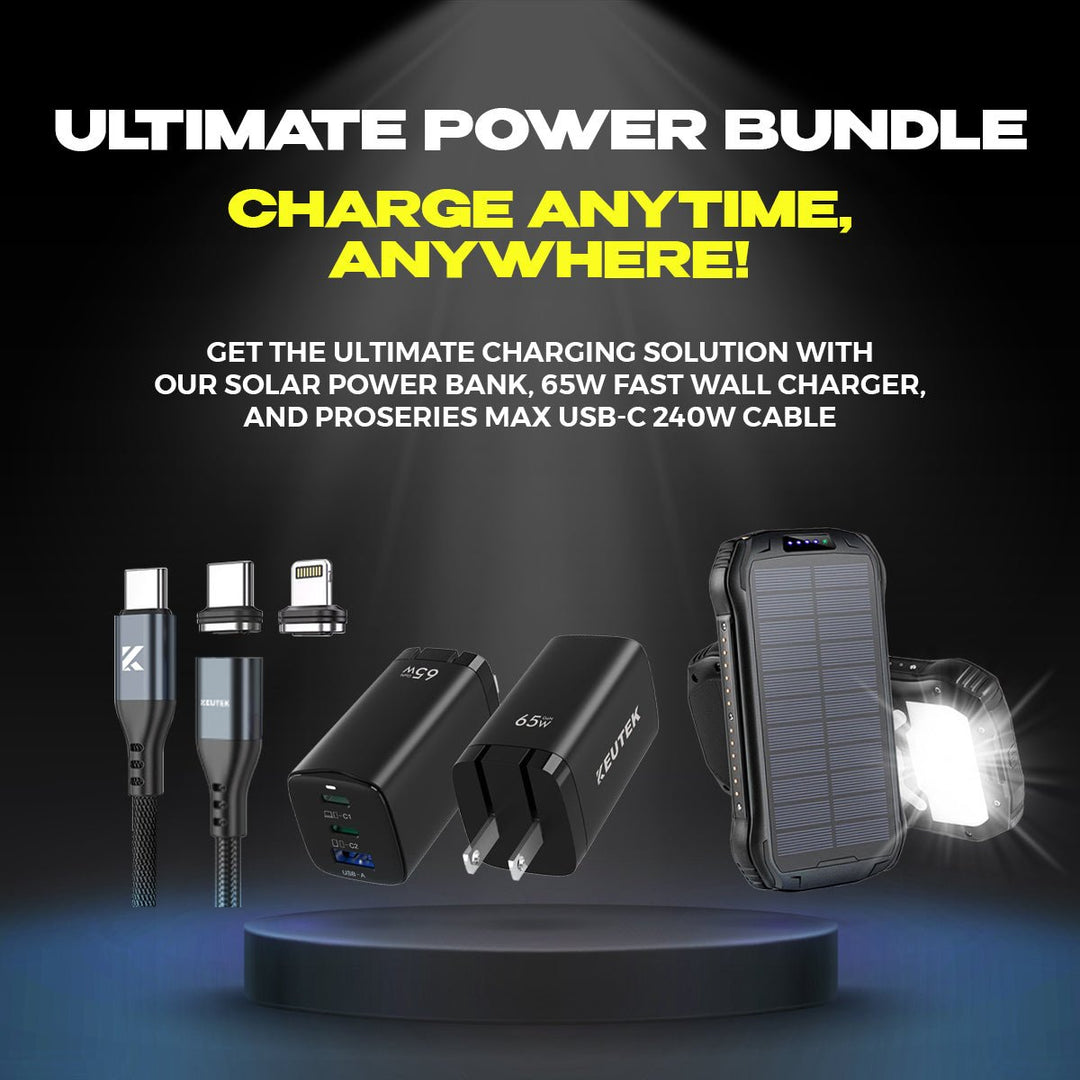
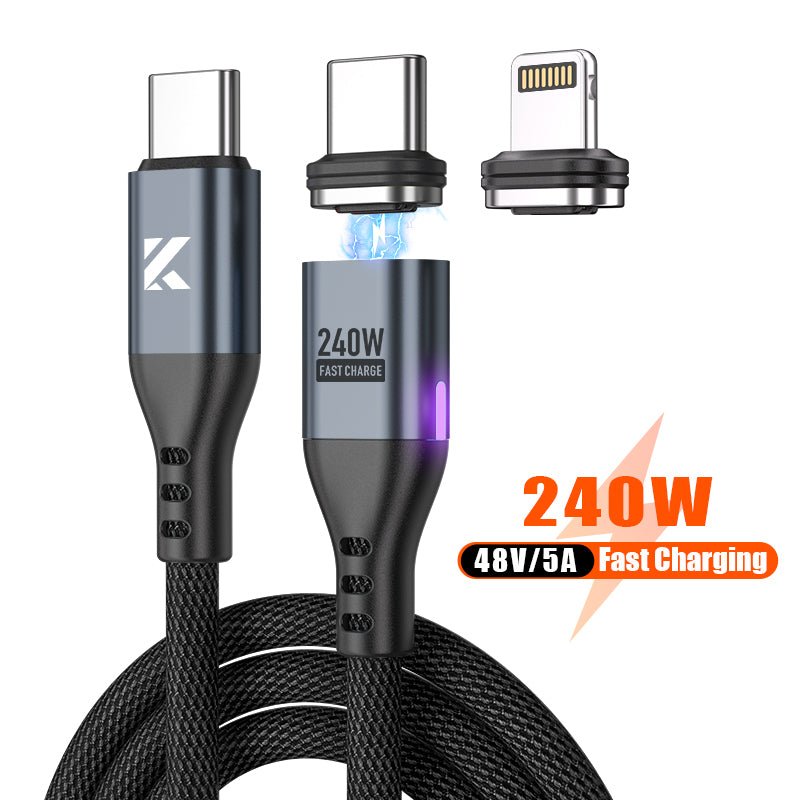
If you’re looking for a cable that’s a true long-term investment, KEUTEK is the answer. Our cables are engineered to last up to 20 times longer than standard ones, so while the initial cost is higher, you won’t be replacing them every year. The ProSeries Max cable combines a rugged, anti-fray build with the convenience of magnetic, cross-device tips. This means one cable can charge your phone, tablet, and headphones, reducing wear on your device ports. It’s the ultimate combination of durability and smart design.
Anker: A Reliable Name in Durability
Anker is a household name in charging for a reason. Many users swear by their braided nylon cables, which resist tangles and frays. It’s not uncommon to hear from people who have used the same Anker cable for three years or more with proper care. They offer a solid balance of price and performance, making them a dependable choice if you need a tough cable for daily use. Their straightforward design and proven longevity make them a go-to for many.
Belkin: Professional-Grade Construction
Belkin often targets users who need high-performance gear, and their cables reflect that. The BoostCharge Pro line is frequently recommended for its robust construction and reinforced connectors that withstand constant plugging and unplugging. Built to support fast charging speeds, they are a great option for professionals and tech enthusiasts who need to power up devices quickly and reliably. Belkin’s focus on strength and speed makes their cables a premium, professional-grade choice.
UGREEN: Durability That Won't Break the Bank
For those who want a durable cable without a hefty price tag, UGREEN is an excellent option. This brand has gained a following for creating affordable products that don’t skimp on quality. Many users report their UGREEN cables lasting for over a year of heavy, daily use, which is impressive for the price. If you need to outfit your whole family with sturdy cables or just want a reliable backup for your car, UGREEN offers dependable durability that’s also budget-friendly.
Which Materials Offer the Best Protection?
A charging cable is only as strong as the materials it’s made from. While a cheap plastic cable might get the job done for a little while, it’s the thoughtful combination of exterior and interior components that creates a truly durable product. The outer jacket protects against daily wear and tear, while the internal wiring ensures your devices get a fast, consistent charge. Let's break down the key materials that separate the best cables from the rest, so you know exactly what to look for.
Braided Nylon vs. Plastic: Which is Tougher?
If you’ve ever dealt with a cracked or frayed plastic cable, you know they don’t stand up to much abuse. This is where braided nylon comes in. Unlike rigid plastic, braided nylon exterior cables are designed to resist tangling and abrasion, making them a far superior choice for durability. The woven fabric provides flexibility, allowing the cable to bend without breaking. This design also prevents the annoying knots and tangles that can weaken a cable over time. For a cable that travels with you in a bag or backpack, a braided nylon exterior is practically a necessity.
The Power of Kevlar and Smart Design
For an extra layer of toughness, look for cables reinforced with Kevlar. Yes, the same material used in bulletproof vests can be found inside high-quality charging cables, and for good reason. Incorporating Kevlar fibers significantly enhances a cable's strength and resistance to wear and tear, protecting the delicate wires inside from being stretched or snapped. But materials are only part of the story. Smart design, like reinforced stress points where the cable meets the connector, is just as important. This combination of powerful materials and thoughtful engineering creates a cable that’s built to last.
Why the Wires Inside Matter
What’s on the inside counts just as much as the outside. The internal wiring of a charging cable is crucial for its overall durability and performance. Many top-tier cables use tinned copper wire, which is known for its longevity and consistent performance. The tin coating protects the copper from corrosion, which can degrade charging speed and reliability over time. This ensures your cable not only withstands physical stress but also continues to deliver a fast, stable charge for years. It’s a small detail that makes a huge difference in how long your cable will actually last.
How Do Cable Types Compare in Durability?
When you’re looking for a cable that will last, it’s easy to get caught up in the connector type. But whether you’re using USB-C, USB-A, or Lightning, the real secret to a long-lasting cable lies in its construction, not its shape. A well-built cable of any type will always outperform a flimsy one.
USB-C vs. USB-A vs. Lightning: Which Lasts Longest?
While the connector type isn't the biggest factor in durability, there are some design differences to consider. USB-C’s reversible design is a small but significant advantage, as it reduces the fumbling and potential damage from trying to plug it in the wrong way. Lightning connectors are sturdy, but their exposed pins can sometimes be a weak point. Ultimately, a cable’s lifespan comes down to its materials. A top-tier cable uses a braided nylon exterior to resist tangling and abrasion, while high-quality internal components like tinned copper wire ensure a stable connection. The KEUTEK ProSeries is a perfect example of how superior materials make a cable tough, no matter the connector.
Does Fast Charging Wear Out Your Cable?
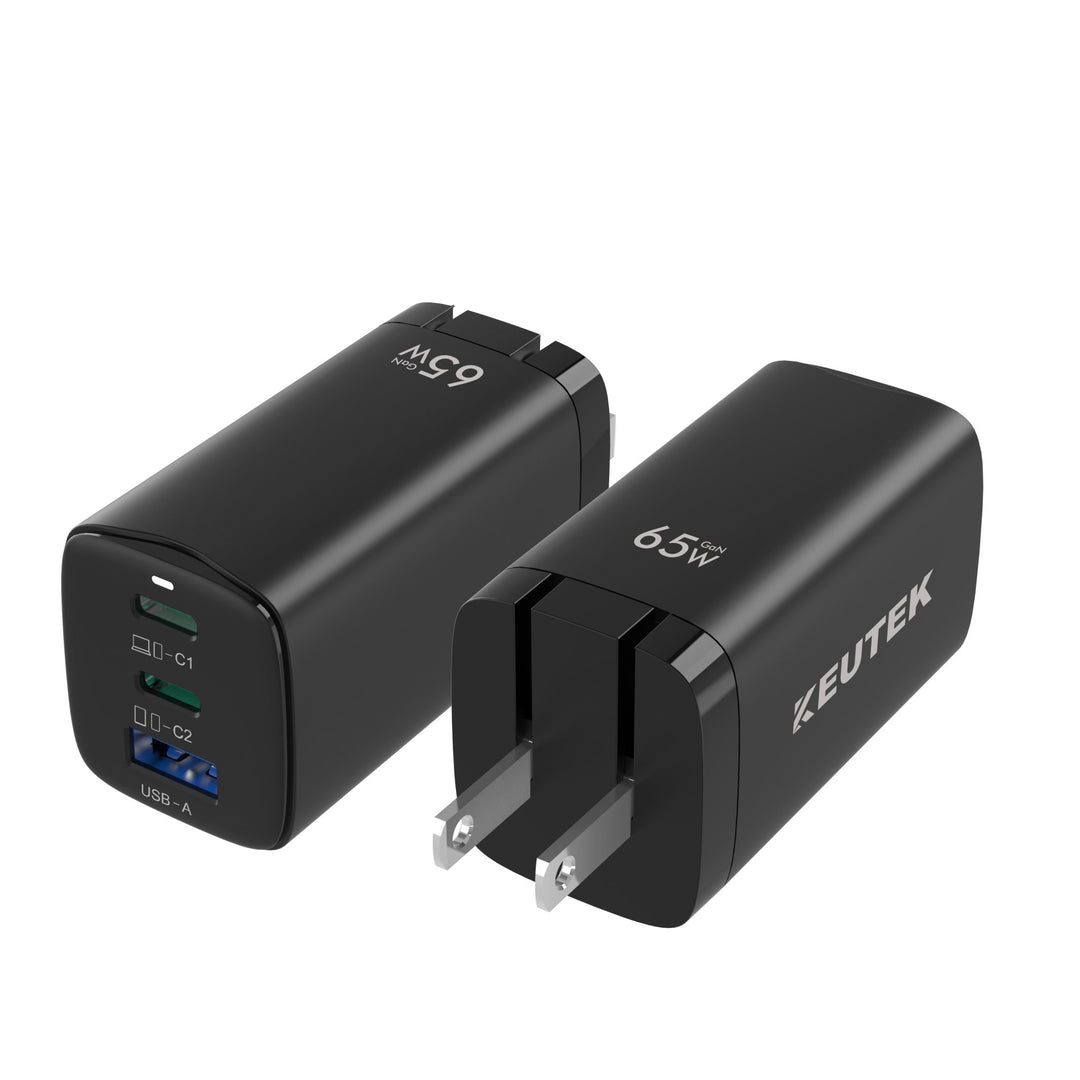
It’s a fair question. Fast charging pushes more power through your cable, which can generate heat. With a cheap, poorly made cable, that extra heat can degrade the materials over time, leading to a slower charge or complete failure. However, a cable built for performance is designed to handle it. High-quality cables are engineered to manage heat and power delivery safely, often including features like an E-Mark chip to protect your devices from overheating. When you invest in a cable designed for speed, like the ProSeries, you’re not just getting a faster charge; you’re getting a safer one that’s built to last. Pairing it with a powerful fast wall charger ensures your entire setup is optimized for performance and longevity.
Does Cable Length Affect Durability?
Cable length doesn’t directly determine durability, but it can influence the amount of wear and tear a cable experiences. Longer cables are more prone to getting tangled, snagged on furniture, or stepped on, all of which can lead to internal damage. Shorter cables, on the other hand, might be stretched or bent at awkward angles if they don’t quite reach. The most important factor, once again, is build quality. A durable cable is made of higher-quality material and is less likely to get frayed ends or bent wires, regardless of its length. The best approach is to choose the right length for your needs, like a shorter cable for your fast car charger and a longer one for your bedside table, to minimize unnecessary stress.
How to Shop for a Durable Charging Cable
Shopping for a new charging cable can feel like a chore, but choosing the right one saves you money and frustration in the long run. A great cable is more than just a wire; it’s an investment in keeping your devices powered up and protected. Instead of grabbing the first one you see, it helps to have a mental checklist of what separates a high-quality cable from one that will fray in a few months. By focusing on materials, safety features, and compatibility, you can find a reliable cable that stands up to daily use, whether you’re at home, in the office, or on the go.
Your Durable Cable Checklist
When you’re ready to buy, start by looking at the materials. A top-tier cable often features a braided nylon exterior, which is excellent for resisting tangles, scuffs, and general wear and tear. Pay close attention to the connector points, where the cable meets the plug. This is a common weak spot, so look for reinforced necks or strain relief that can handle frequent bending. A truly durable cable combines a tough exterior with a flexible design. The KEUTEK ProSeries is a perfect example, built with a double-braided nylon jacket and reinforced connectors to ensure it lasts.
Look for Safety Certifications
A durable cable isn't just strong, it's also safe. With fast charging becoming the standard, it's more important than ever to choose a cable that can handle higher wattage without risking your devices. Look for safety features like an E-Mark chip in the product description. This tiny chip communicates with your device and charger to regulate power delivery, which helps prevent overheating and protects your tech from damage. Pairing your cable with certified fast wall chargers ensures you get a quick and secure charge every time. Always prioritize cables that mention safety certifications to give you peace of mind.
Check for Universal Compatibility
The most durable cable is one you can use for everything. Before you buy, confirm that the cable is compatible with all the devices you use regularly. A versatile cable simplifies your life by reducing clutter and ensuring you always have the right charger on hand. Some of the best options offer cross-device functionality. For instance, cables with interchangeable magnetic tips allow you to switch between USB-C, Lightning, and Micro USB connectors effortlessly. This makes it easy to charge your phone, tablet, and headphones with a single, reliable charging cable, which is ideal for travel or shared spaces.
Finding the Best Value in a Durable Cable
Finding a cable that lasts is about more than just picking the one with the toughest-looking exterior. True value comes from a combination of smart shopping, understanding the trade-off between price and quality, and paying attention to the promises a brand makes. Here’s how to make sure you’re getting the best deal on a cable that won’t quit on you.
How to Read Reviews Like a Pro
We’ve all been burned by a cheap charging cable that stops working after a few months. To avoid that frustration, learn to read user reviews with a critical eye. Go beyond the star rating and look for comments that specifically mention longevity and real-world use. Are people saying it survived daily commutes, curious pets, or being tossed in a bag? Pay attention to patterns. If you see multiple reviews mentioning that the connector bent or the braiding frayed after a short time, consider it a major red flag.
Price vs. Quality: Is It Worth Paying More?
It’s tempting to grab the cheapest cable on the shelf, but that approach often costs you more in the long run through repeat purchases. Investing in a higher-quality option from the start is a much smarter move. For instance, KEUTEK’s ProSeries cables are engineered to last significantly longer than basic alternatives. Think of it this way: you can buy one great cable that lasts for years or five cheap ones that you’ll just have to replace. The best charging cables can withstand thousands of bends, ensuring they hold up to your daily routine.
Don't Overlook the Warranty
A product’s warranty is a direct reflection of the manufacturer's confidence. When a company offers a solid, multi-year or lifetime warranty, they are telling you they’ve built a product designed to last. Before you click “buy,” take a second to check the warranty details. A company that stands behind its cable with a hassle-free replacement policy is one you can trust. This simple step provides peace of mind and is one of the clearest indicators that you’re investing in a genuinely durable product.
The Best Budget-Friendly Durable Cables
Finding a charging cable that lasts doesn't mean you have to spend a fortune. While premium cables offer incredible performance, plenty of budget-friendly options can stand up to daily wear and tear without falling apart after a few months. The key is knowing what to look for. When you're shopping on a budget, you want to find that sweet spot between price and quality, ensuring you get a reliable cable that won’t leave you with a dead battery when you need it most.
Brands like Spigen and UGREEN have built a reputation for offering robust designs at a lower price point. They focus on the essentials: sturdy construction, reliable connectors, and materials that can handle a bit of rough treatment. While they might not have all the bells and whistles of a high-end cable, they deliver on the promise of durability. Think of these as the workhorses of the charging world. They get the job done reliably, making them a smart choice if you need to stock up on cables for your car, office, and home without draining your wallet.
Our Favorite Picks Under $20
You can find some surprisingly tough cables for less than the price of a movie ticket. A great example is the Amazon Basics USB-C cable, which has been tested to withstand over 11,500 bends, proving that a low price doesn't always mean low quality. Another fan favorite is Anker; some users report their cables have lasted an incredible eight years, making them a fantastic long-term investment. For daily use, many people also turn to UGREEN and Baseus, which are frequently recommended for their solid build and consistent performance at a budget-friendly price.
When to Spend a Little More
While affordable cables are great, sometimes investing a little more pays off in the long run. Stepping up in price often gets you superior materials and construction. For instance, Anker’s PowerLine+ III cables feature a braided nylon exterior that significantly increases their lifespan and resistance to fraying. For those who are especially tough on their gear, a heavy-duty option might be the right call. Cables from DeWalt, reinforced with Kevlar, are described by users as nearly indestructible, particularly at the connector points where most cables fail. This extra investment can give you peace of mind and a cable that’s built for any situation.
How Long Should a Quality Charging Cable Last?
It’s a question we’ve all asked, probably while staring at a frayed cable that’s given up the ghost: How long is this thing actually supposed to work? While those flimsy cables that come with new devices might only last a year (if you’re lucky), a truly durable charging cable is built for the long haul. In fact, independent testing from Consumer Reports found that the best cables can withstand over 11,500 bends. That’s like six years of daily plugging, unplugging, and twisting.
This level of durability doesn't happen by accident. It comes from using superior materials like braided nylon and reinforcing the stress points where cables fail most often. Investing in a high-quality cable means you’re not just buying a temporary fix; you’re getting a reliable tool that keeps your devices powered for years. The secret isn't just in the materials, but in thoughtful design that anticipates daily wear and tear. A well-made cable, like our ProSeries USB-C, is engineered to endure the rigors of being tossed in a bag, used in the car, or shared among family members. Ultimately, a quality cable should last long enough that you forget when you even bought it.
How Your Habits Affect Your Cable's Lifespan
Even the toughest cable has its limits, and how you treat it plays a huge role in its longevity. The number one cable killer? Bending it at sharp angles, especially right at the connector. We all do it, wrapping the cord tightly around a charger or yanking it from the wall at an odd angle. This puts immense strain on the internal wiring at its most vulnerable point. If you want your cable to last, try to keep it as straight as possible near the ends. This simple habit can dramatically extend its life, whether you're plugging into a fast wall charger at home or a portable power bank on the go.
Warning Signs: When to Toss Your Old Cable
Using a damaged cable isn't just annoying, it can be risky for your devices. It’s time to say goodbye if you see any visible fraying, exposed wires, or cracks in the outer jacket. Another red flag is if your device only charges intermittently or if you have to wiggle the connector to get it to work. These are signs that the internal connections are failing. While it’s tempting to save a few bucks on a cheap cable, they often break within months and can even damage your phone’s charging port. A failing cable can lead to inconsistent power delivery, which can harm your device's battery over time.
How to Make Your Charging Cable Last Longer
Giving your cable a little TLC can make a world of difference. First, avoid pulling on the cord itself when you unplug your device; always grip the connector head firmly. When you store it, try coiling it in a loose loop instead of wrapping it tightly around your hand or a power brick. For extra protection, look for cables made with durable materials. A braided nylon exterior provides excellent defense against abrasion and tangling. Features like reinforced connectors, where the cable meets the plug, add another layer of strength. These design choices are what make a cable truly resilient and ready for whatever your day throws at it.
Where to Find the Best Deals on Durable Cables
Finding a cable that’s both tough and affordable can feel like a treasure hunt. The good news is that you don’t have to choose between quality and price. With a little strategy, you can find excellent deals on cables that are built to last, saving you money and the frustration of constant replacements. The key is knowing where and when to look.
Scoring Deals from Online Retailers
Everyone loves finding a great deal, and online retailers are a fantastic place to start. Keep an eye out for seasonal sales and promotions on brand websites and major marketplaces. It’s not uncommon to see high-quality cables with prices cut significantly, making it the perfect time to stock up. While it's tempting to grab the cheapest option, remember that price isn't the only factor. Testing has shown that you don't always have to pay a premium for a cable that lasts, so focus on finding a well-made product that’s on sale.
Why Buying Direct is a Smart Move
While big retailers offer variety, buying directly from the manufacturer is often the smartest move. When you buy direct, you guarantee you’re getting an authentic product backed by a full warranty and dedicated customer support. Brands also reward loyal customers with exclusive offers. For example, signing up for a company’s email or text list can often get you an instant discount code for your first purchase. This approach ensures you get a top-tier product, like our versatile ProSeries USB-C cable, with the best possible service and price.
When to Buy for the Best Price
Timing your purchase around major shopping holidays like Black Friday or back-to-school season can lead to big savings. However, you don’t have to wait all year for a good deal. Many brands offer promotions throughout the year. Instead of just hunting for the lowest price, think about the best value. A durable cable is an investment that prevents you from buying replacements every few months. To get the most out of your new cable, make sure you have a charger that can keep up. Pairing it with one of our fast wall chargers ensures you get the speed and performance you need.
Related Articles
- Best Braided USB-C Cables for Fast Charging - Ultimate Guide
- Best Braided USB-C Cables for Fast Charging - Ultimate Guide
- Best Braided USB-C Cables for Fast Charging - Ultimate Guide
Portable Solar Power Bank 26800mAh - 99Wh Fast Charger
Lithium Polymer (Li-Po) battery. PD fast charging. Holds up to 8 days of reliable power on a single charge. Boasts a charging speed 50% faster than ordinary portable chargers.
Shop NowFrequently Asked Questions
Is it really worth paying more for a durable cable? Think of it this way: you can buy five cheap cables that will fray and fail over a couple of years, or you can buy one great cable that lasts for that entire time and beyond. While the initial cost is higher, a well-made cable saves you money and the headache of being caught with a dead device. It's an investment in reliability, ensuring your gear is always ready when you need it.
My cables always break right by the plug. What should I look for to prevent this? That's the most common failure point for a reason; it takes the most abuse. To avoid this, look for cables with reinforced connectors or visible strain relief where the cable meets the plug. This extra support handles the stress of daily bending and pulling. Also, make a habit of unplugging by gripping the connector head itself, not by yanking on the cord.
Are braided nylon cables really that much better than the standard plastic ones? Yes, they absolutely are. A braided nylon exterior acts like armor, protecting the internal wires from tangles, scuffs, and the stress of being bent repeatedly. Unlike a standard plastic coating that can crack and split over time, the flexible weave of braided nylon is designed for movement, making it a far more resilient choice for everyday use.
Does using a fast charger wear out my cable more quickly? A cheap, poorly made cable can definitely struggle with the heat and power from a fast charger, which can cause it to fail sooner. However, a high-quality cable is specifically engineered to handle higher wattage safely. These cables use better internal components and designs to manage heat effectively, so you can get the fastest possible charge without sacrificing the cable's lifespan.
What's the difference between a durable cable and a high-performance one? The best cables are actually both. Durability refers to the physical construction: strong materials, reinforced connectors, and a tough exterior that can withstand wear and tear. High performance relates to its capabilities, like supporting fast charging speeds and quick data transfers. A truly great cable combines both so you get a product that not only lasts for years but also charges your devices efficiently.


Leave a comment